People who know Cuban, Nicaraguan and Dominican cigars often ask the same thing when they hear the word Manila: is that a real origin? It is, and an old one. Here is what a Philippine cigar is, where its leaf comes from, who rolls it, and how to tell a good one.
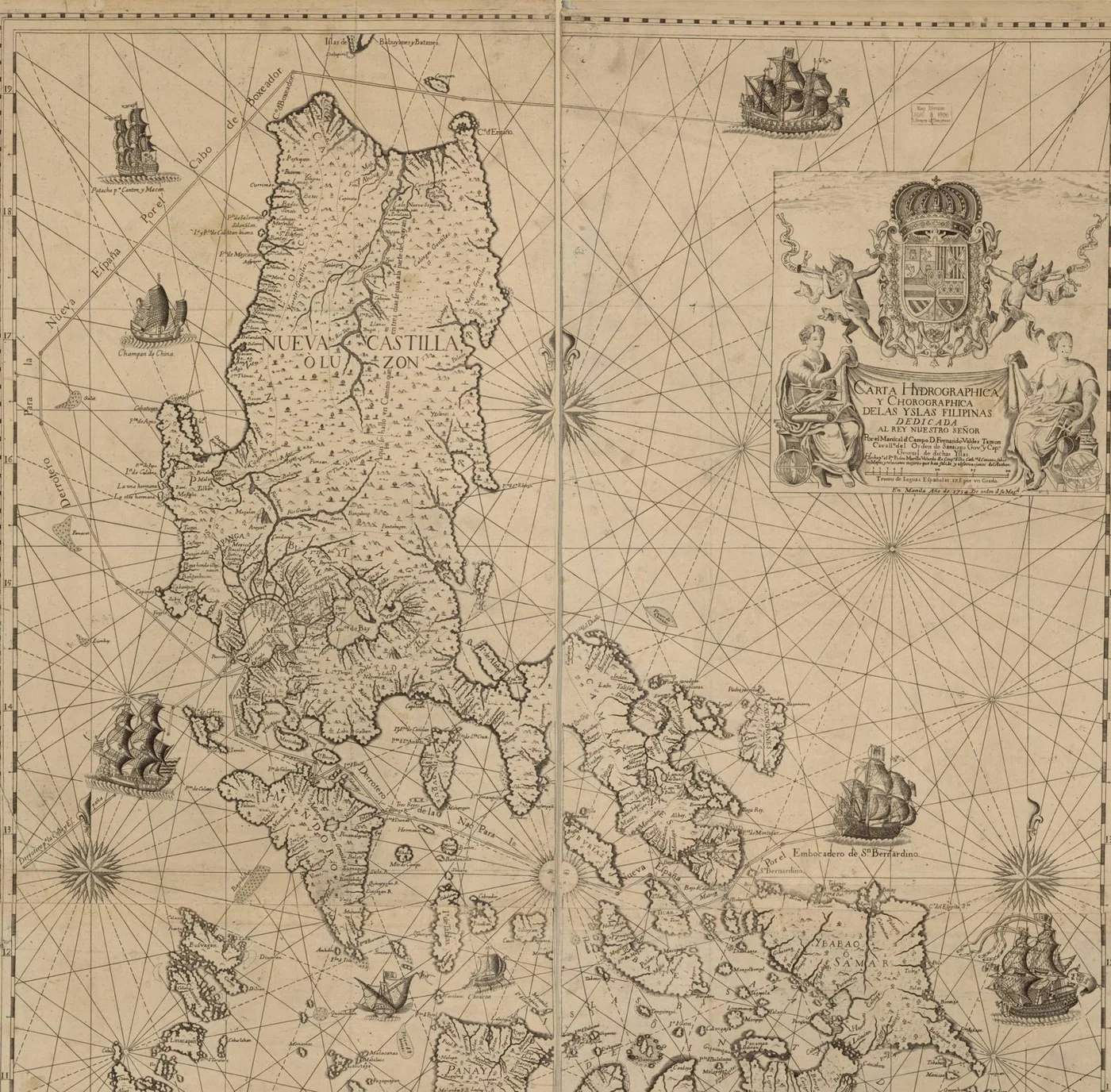
Tobacco reached the Philippines with the Spanish in the late sixteenth century, seed from the Americas carried across the Pacific by the Manila galleon. By the eighteenth century it was a crop, by 1782 a royal monopoly, and by the middle of the nineteenth century the Manila cigar was smoked in London, Vienna and Calcutta by people who could have chosen a Havana. That reputation faded in the twentieth century, for reasons we tell on the Story page. The leaf did not go anywhere. It is still in the ground.
Where the leaf grows
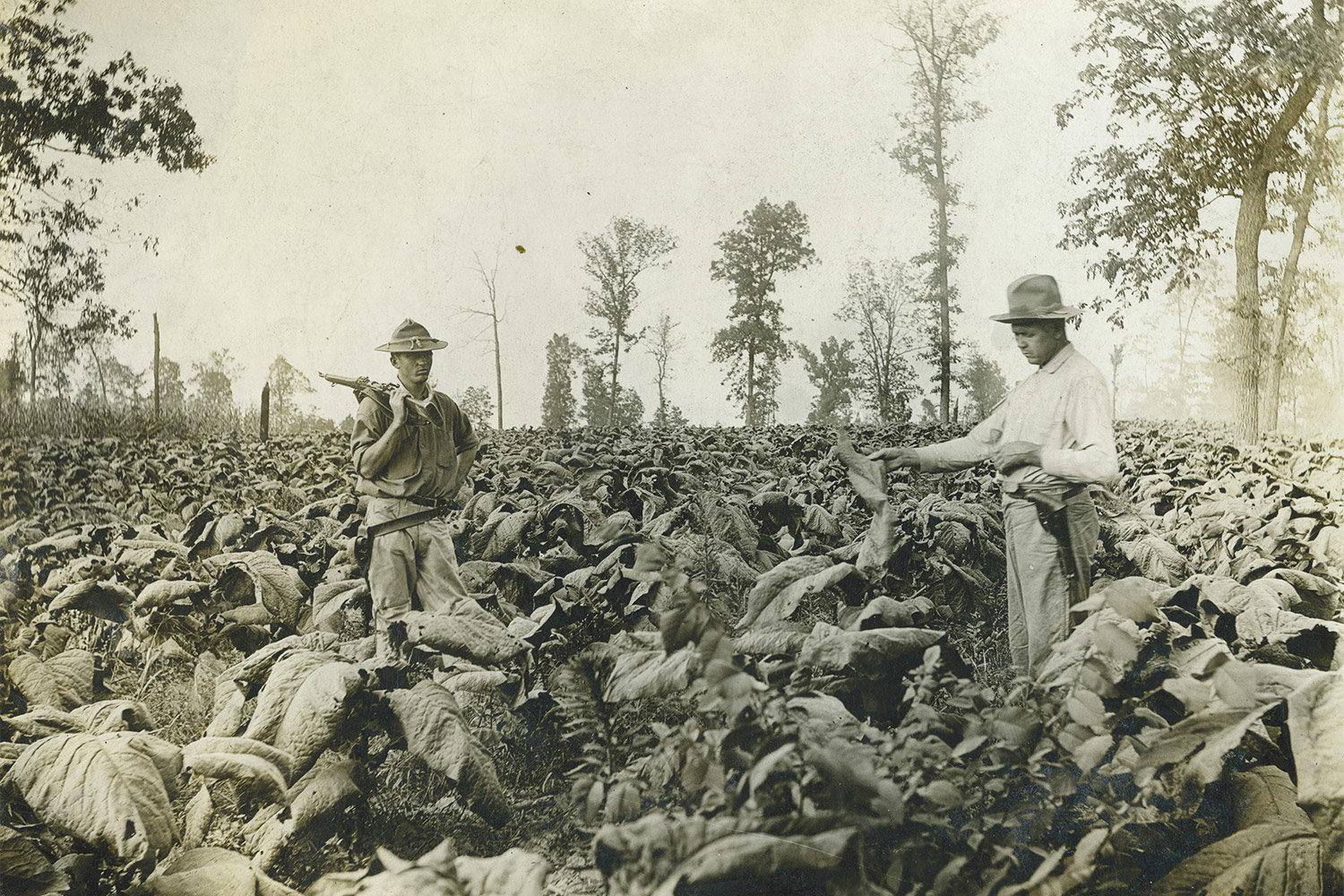
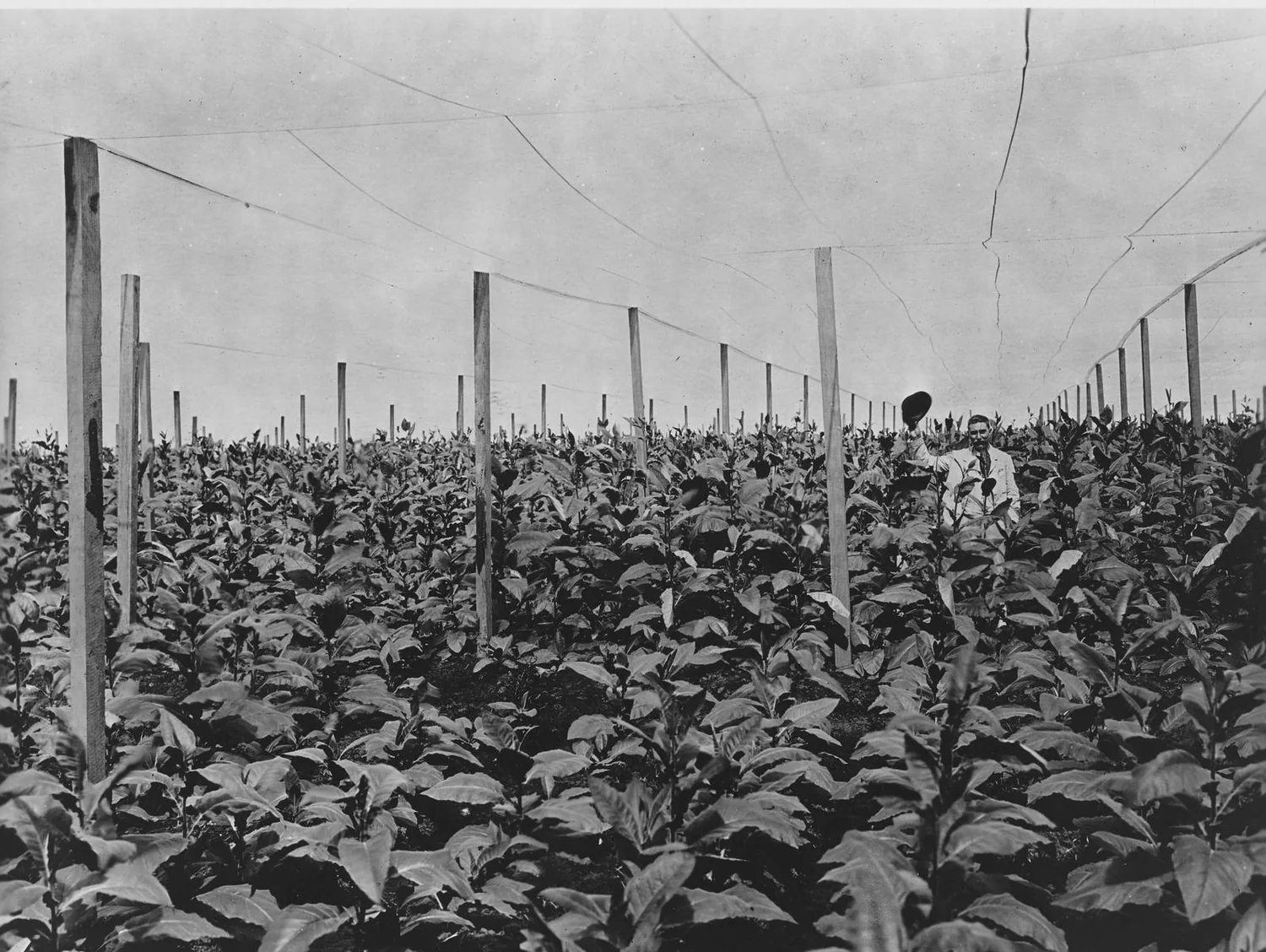
Almost all Philippine cigar tobacco comes from the Cagayan Valley, in the north-east of Luzon, four hundred kilometres from Manila. The provinces of Isabela and Cagayan sit on either side of the longest river in the country, on alluvial soil that floods in the typhoon months and dries into a fine, dark loam by December. The plants go in after the rice harvest and come out before the heat of April. The Ilocos coast, to the west, grows tobacco too, but mostly the flue-cured kind that goes into cigarettes.
The leaf is often called Isabela, after the province, and the name has been on cigar bands for a hundred and fifty years. Grown well and cured slowly, it gives a cigar that is lighter in the mouth than a Cuban of the same size, with hay, cedar and a nutty sweetness that shows most on the finish. Grown badly and rushed, it gives a cigar that is simply mild, which is where the origin's reputation for blandness came from in the years when nobody was paying attention.
The houses, then and now
The royal monopoly ran the factories of Manila until 1881. After it came the Compañía General de Tabacos de Filipinas, the Tabacalera, whose La Flor de la Isabela became the most famous cigar in Asia. Alhambra and Calixto López were names of the same era. Some of those brands still exist, in one form or another, and a handful of factories still roll in and around Manila. We are not the oldest, and we say so plainly on the House page. We are the newest, and we set out to roll the leaf the way it was rolled when it was famous.
“Mild is what a Manila becomes when nobody takes care. Cared for, it is something else: light and long.”The house · tasting notes, first blends
How a Philippine cigar is made
The good ones are made the Cuban way, by hand. Filler leaves are folded into a bunch, wrapped in a binder, pressed in a wooden mould, then dressed in a wrapper leaf and finished with a cap. The wrapper is the one leaf that need not be Philippine: ours are Connecticut on the Corona, Habano on the Robusto Maduro and the Toro, over a filler and binder from the valley. The whole process, from seed to box, is on the Craft page, and Ronnie shows it in six minutes on film.
How to recognise a good one
The same way you recognise any good cigar, with one adjustment for the origin. Look for a wrapper without cracks and a cigar that gives evenly along its length when pressed. Cut it, draw cold: you should get hay and a little sweetness before you light it. Once lit, the burn should stay straight and the ash should hold for a good inch. Then the adjustment: do not wait for the punch of a Cuban. A Manila builds by layers rather than by force, and its best moment is usually the last third, when the sweetness turns to cocoa. If it never gets there, the leaf was young or the cigar was rushed.
Three formats to start
A Corona if you have thirty-five minutes and want to understand the leaf. A Robusto Maduro if you are used to fuller cigars and want to see what the valley does under a dark wrapper. A Toro for an evening. Where to find them, and the hours of the lounges that carry them, is on the Find page.