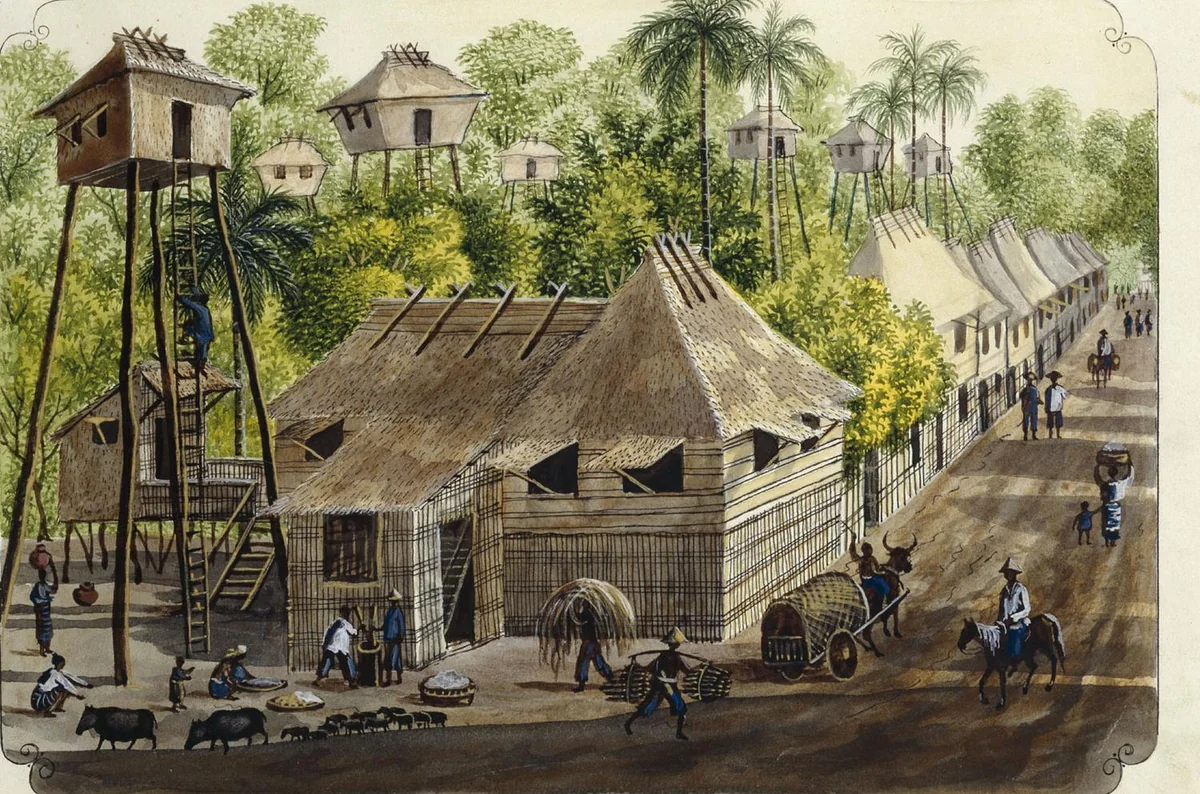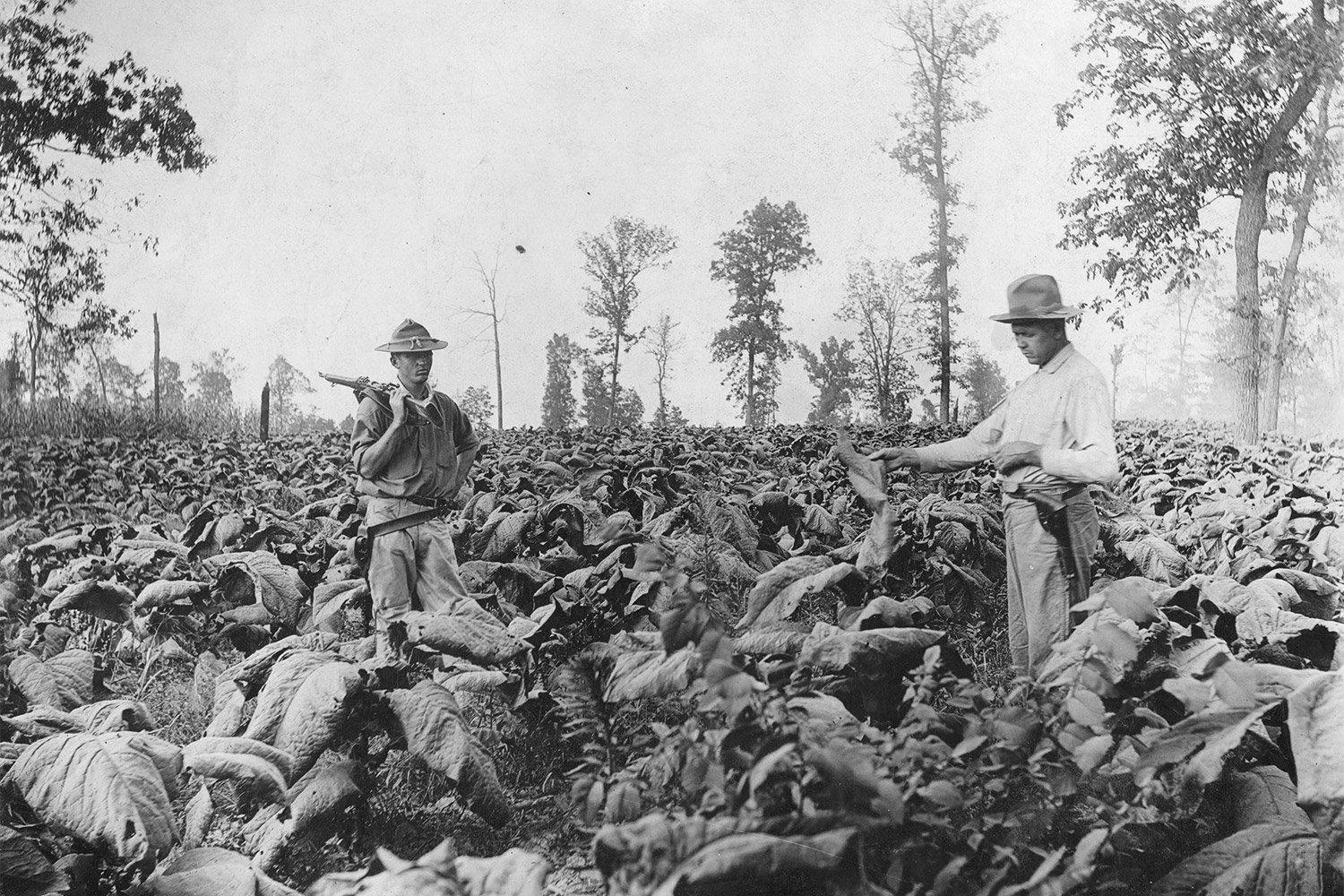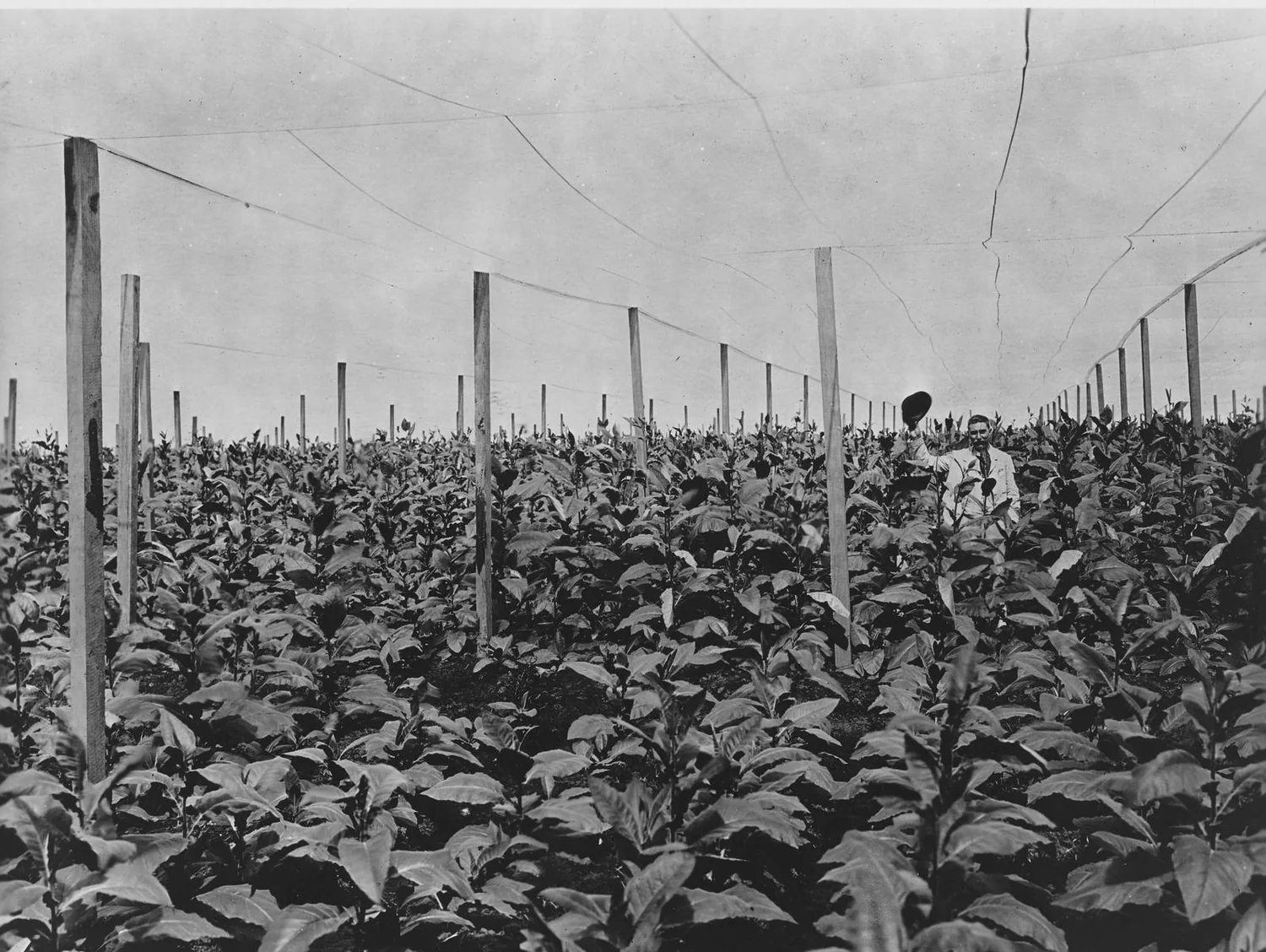
Every Manila cigar starts in the same place, a valley in the north-east of Luzon that most people who smoke them could not find on a map. Here it is: the river, the seasons, the leaf, and the people who have grown it for two hundred years.
The Cagayan River is the longest in the Philippines. It rises in the mountains south of Nueva Vizcaya and runs north for three hundred and fifty kilometres to the sea at Aparri, and the valley it has cut between the Cordillera and the Sierra Madre is the tobacco country. Four provinces share it, Cagayan, Isabela, Nueva Vizcaya and Quirino, but when cigar people say Cagayan Valley they mostly mean the flat middle of it, around Ilagan and Tuguegarao, where the soil is river silt and the leaf is called Isabela.
The year of a leaf
The valley has two seasons, the wet and the dry, and tobacco is a crop of the second. The rains and the typhoons run from June to October and flood the low fields, which is not a disaster: the floods are what lay down the silt. When the water goes, the rice comes off, and from late October to December the seedlings go into the ground, forty thousand to a hectare, by hand. They grow through the cool months, topped when they try to flower so the strength goes to the leaf, and they are picked from February into April, from the bottom of the plant up, two or three leaves at a time, once a week.
Then the barn. The leaf is strung in pairs on poles and hung in long sheds of bamboo and nipa palm that let the wind through. Forty days if the wind is right, sixty if it is not, and the leaf turns from green to a brown that ranges from hay to chocolate depending on where it grew on the plant. We filmed a barn at first light; the film is here. After curing comes fermentation, the leaf stacked in piles that heat from the inside and are turned by hand, and after that, months of rest before anything is rolled.
What the ground gives
Alluvial soil, heavy and rich, with none of the limestone of western Cuba. Hot days and cool nights in the growing months, and a sun in February that forces the leaf to thicken. The result is a filler leaf that burns slowly and reads as sweet rather than peppery, and a binder leaf with enough body to hold a bunch together. The wrapper is the one thing the valley does not do reliably, which is why ours come from elsewhere: the leaf is the valley's, the dress is not. A comparison with the Cuban leaf, done properly, is here.
“The river decides. A good flood in September, a good leaf in March. My father said the same thing, and his father.”A grower near Ilagan · to be named at the shoot
The people
Tobacco in the valley is a family crop, grown on holdings of a few hectares by people whose grandparents grew it for the Tabacalera and whose great-great-grandparents grew it for the Crown, under a monopoly that told them what to plant and paid them when it felt like it. That history is not decoration; it is why the know-how survived here and thinned out elsewhere. We buy from a handful of growers through the manufactory in Laguna, and the terms are simple: we take the leaf that has had its forty days, and we pay for the days.
Getting there
Nine hours from Manila by road, or an hour to Tuguegarao by air and a car from there. Go between December and March if you want to see the plants standing, and in March or April if you want to see the barns full. We wrote about the trip in The road to Isabela. Take the bus once. It is the best way to understand how far the leaf travels before it becomes a cigar.