Market Select
Partners
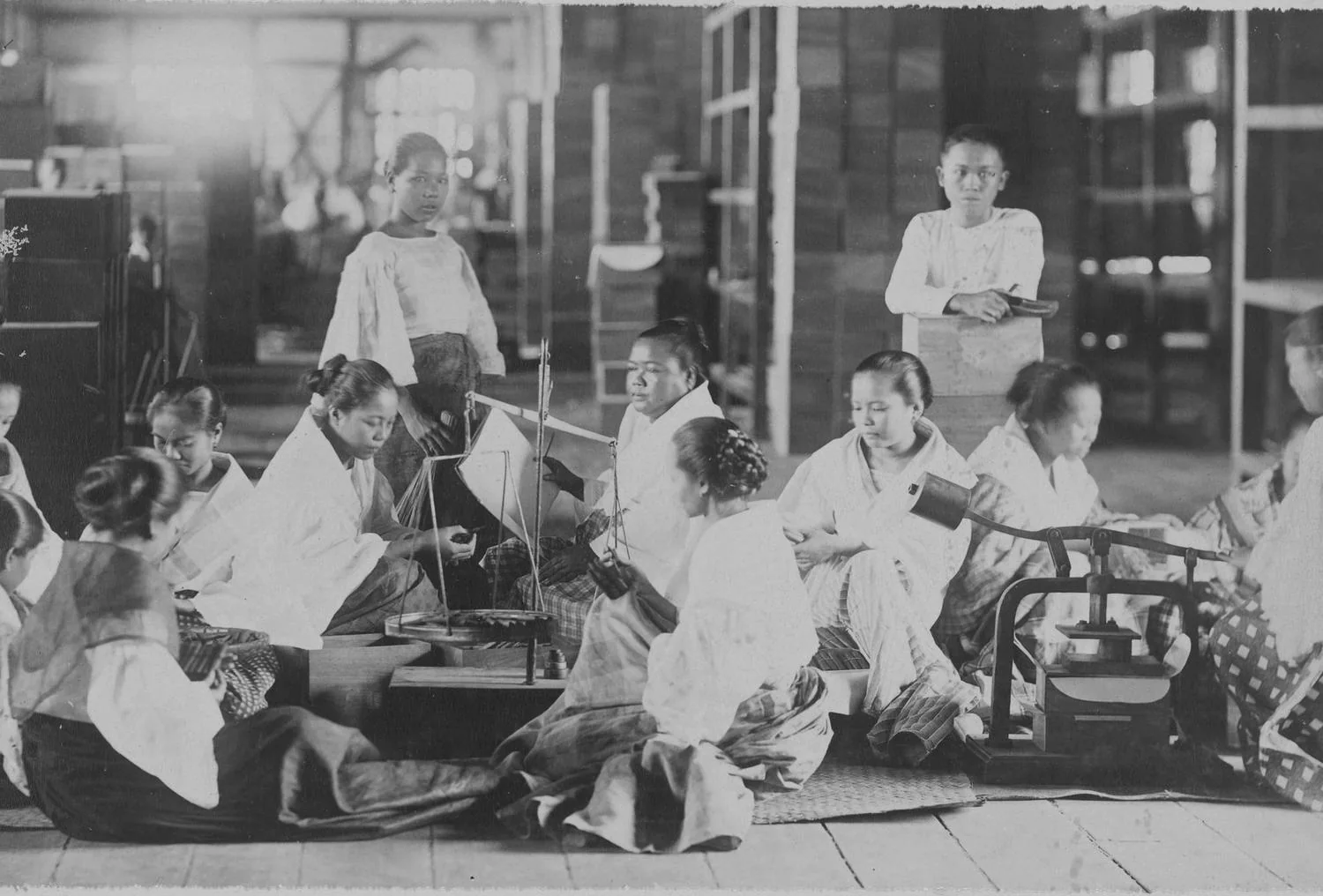
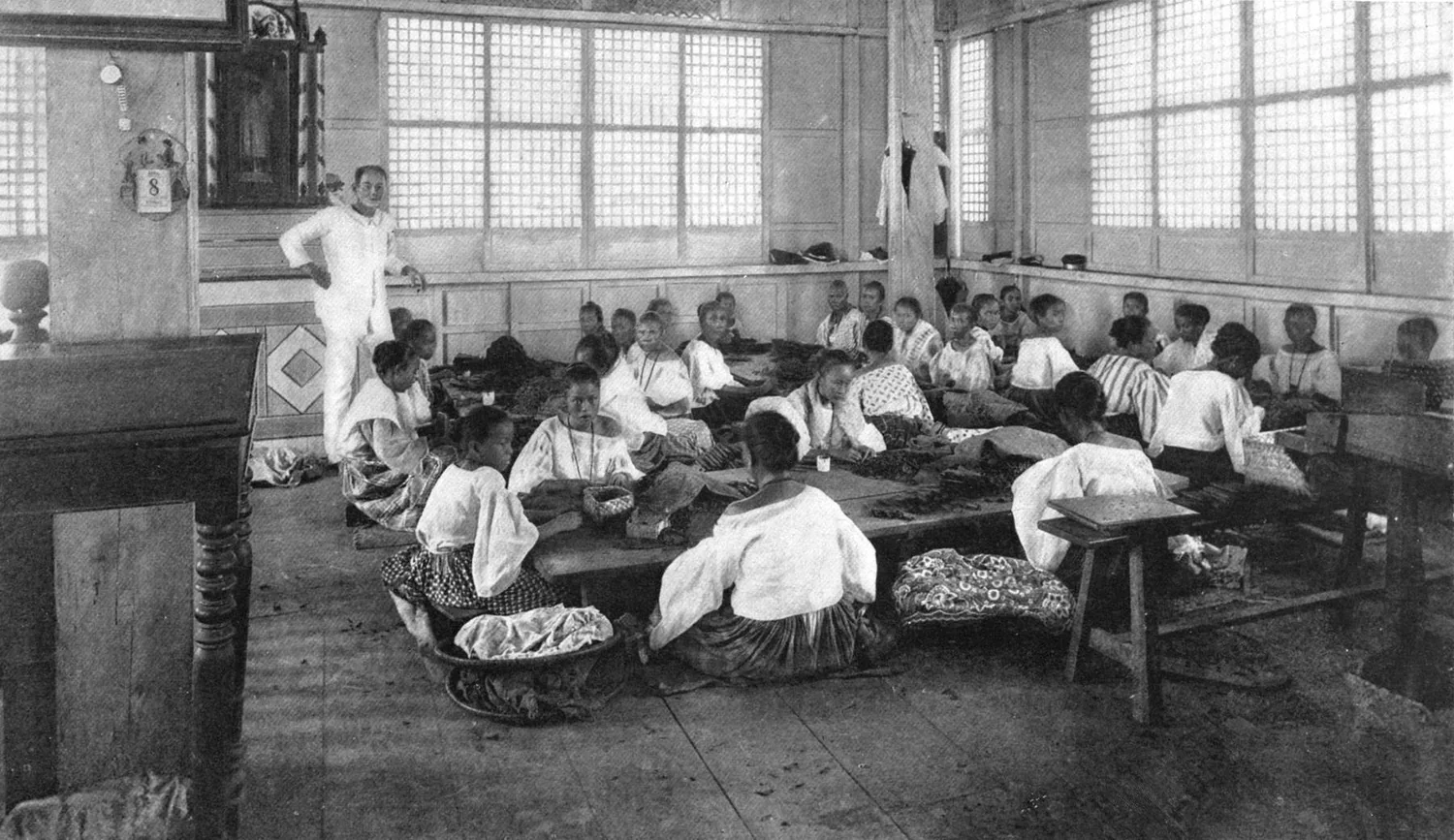
Corner of a Manila cigar factory, photograph, 1899
The story

Before Cuba,
Manila

Six chapters, from the galleon to today. The cigar that ruled Asia for a century, and what became of it.

Chapter one1580

The Galleon

Augustinian friars carry Cuban tobacco seed from Acapulco to Luzon on the Manila galleon. It takes to the Cagayan valley as if it had always grown there: the soil is volcanic, the dry season is long, the river floods on schedule. For two centuries the leaf is planted by families, dried under bamboo roofs and smoked in every town on the island. Nobody has yet thought of taxing it.
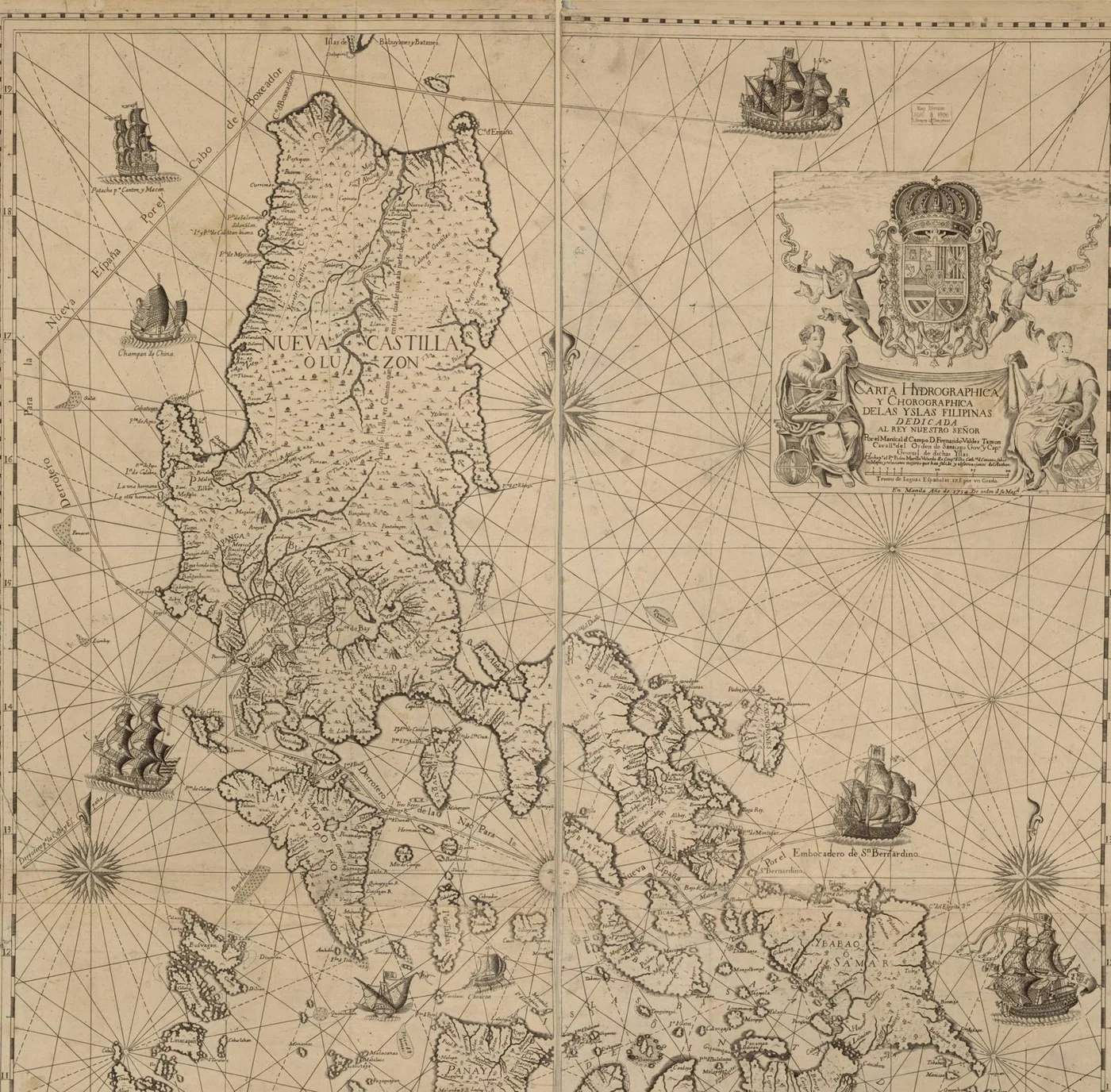
Luzon on the 1734 Murillo Velarde map, galleons drawn at sea
Carta hydrographica y chorographica de las Yslas Filipinas, 1734 · Library of Congress · Animation of the galleon to come (8 s loop)
Chapter two1782

By Royal Order

Governor José Basco y Vargas founds the Estanco. By royal order the Crown takes the whole leaf under its hand: what is planted, where, by whom and at what price. Cagayan, Isabela and Nueva Ecija become tobacco provinces. Within a decade the monopoly pays for the colony. The Manila cigar is born as an affair of state, with a seal, a ledger and a signature.

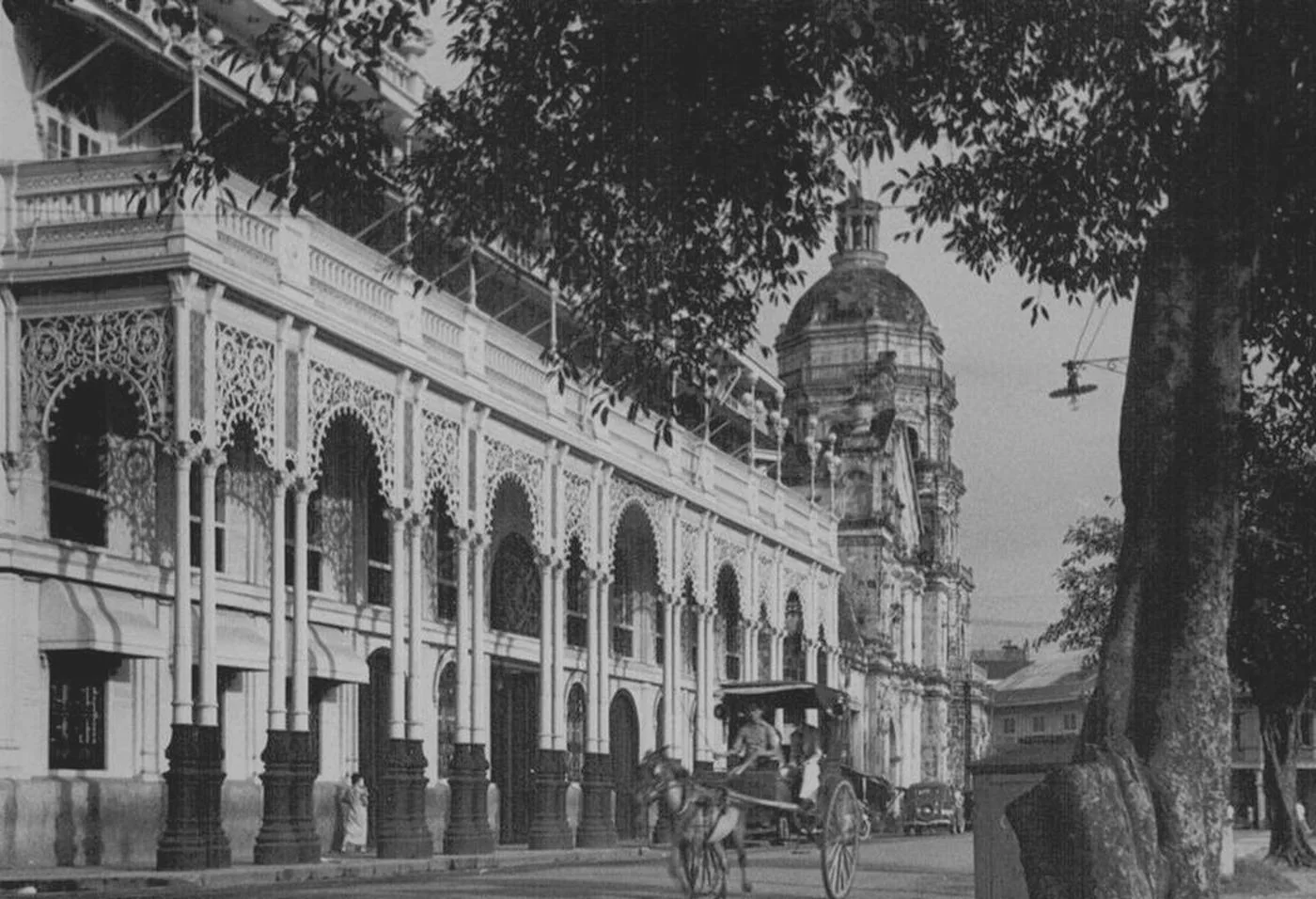
La Insular cigar factory, Binondo, Manila, photograph from the 1890s
Cigar factory, Binondo · La Insular, 1890s · the royal factories of the Estanco stood a few streets away
Chapter three17821880

The Cigarreras

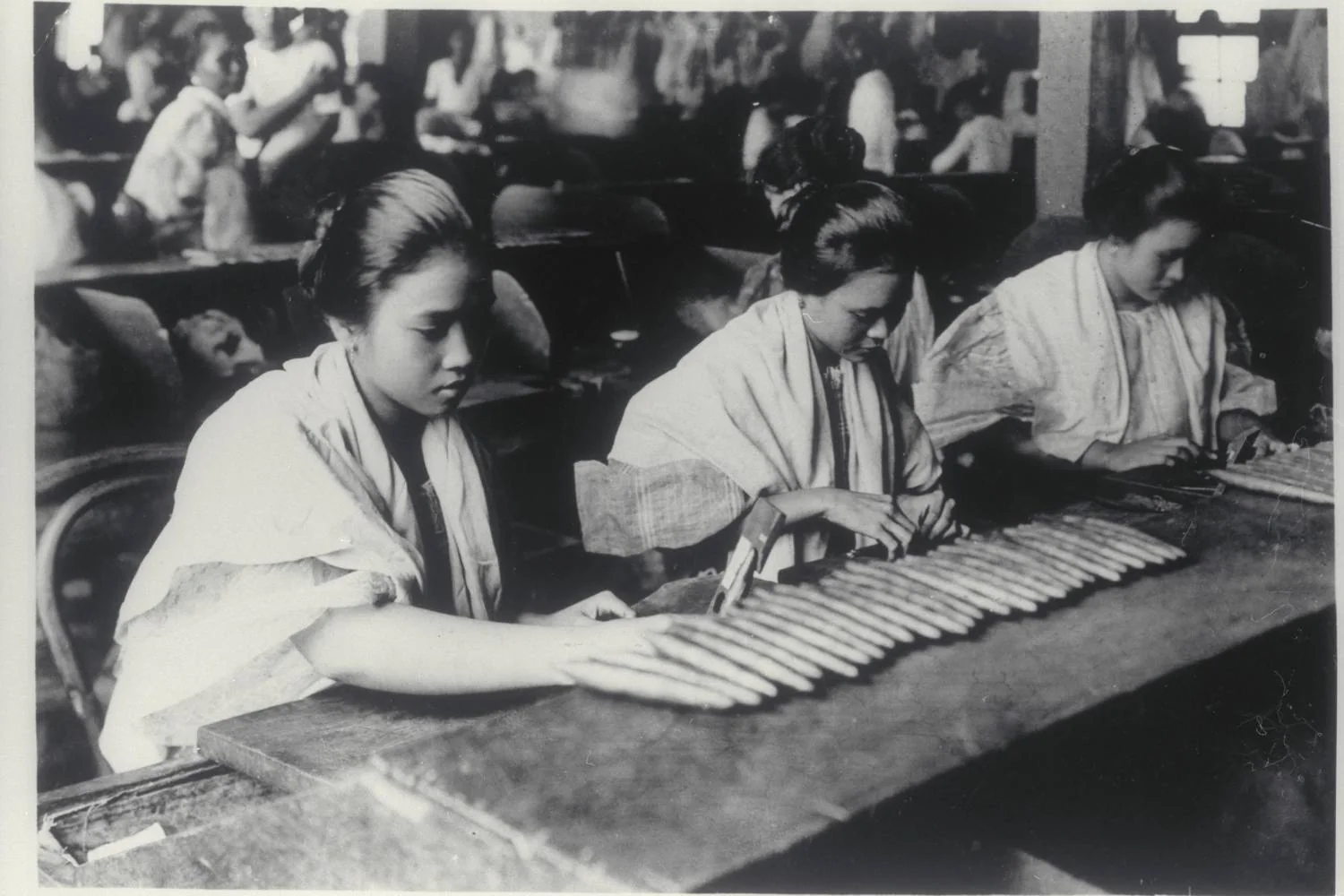
Thirty thousand women roll the Manila cigar in the royal factories of Binondo, Arroceros and Malabon. They sit at long tables, leaf on the knee, paid by the piece, and they are the first industrial workforce of the islands. Their cigars sail to Canton, Batavia and Calcutta, and in the holds of the last galleons, back to Acapulco.

Women working in a cigar factory in Manila, archive photograph
Cigar factory, Manila · archive photograph
Chapter four1881

The Tabacalera

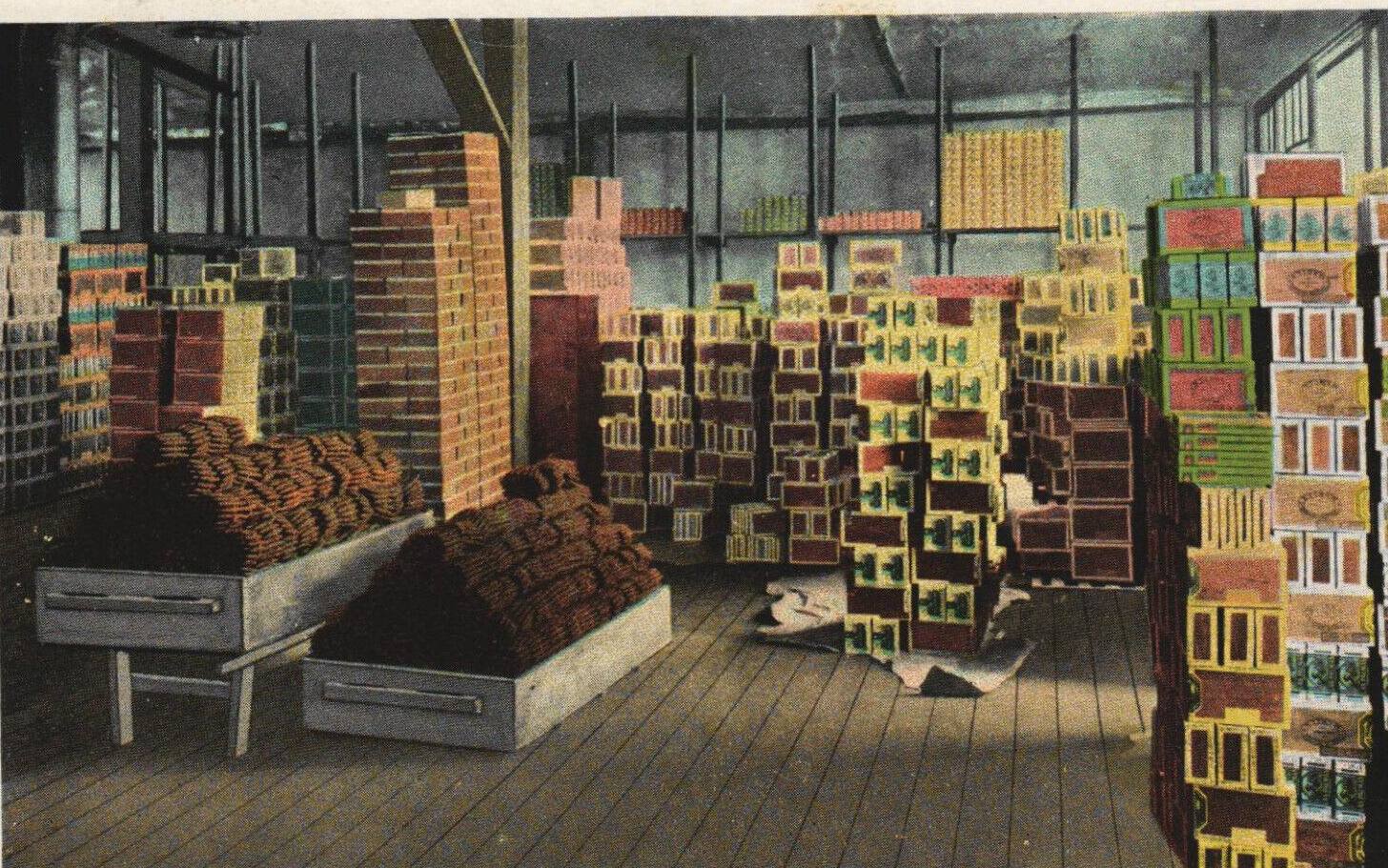
The monopoly ends. A private company born in Barcelona, the Compañía General de Tabacos de Filipinas, takes over the plantations and the factories. Its Flor de la Isabela becomes the best-known Manila cigar in the world, smoked in London clubs and in the dining cars of the Trans-Siberian. For a few decades Manila stands next to Havana.

A room in a Philippine cigar factory stacked with boxes, vintage postcard
A room in a Philippine cigar factory · postcard, early 20th century · photo of the Paco building and a Flor de la Isabela band to add
Chapter five19201990

Glory and Silence

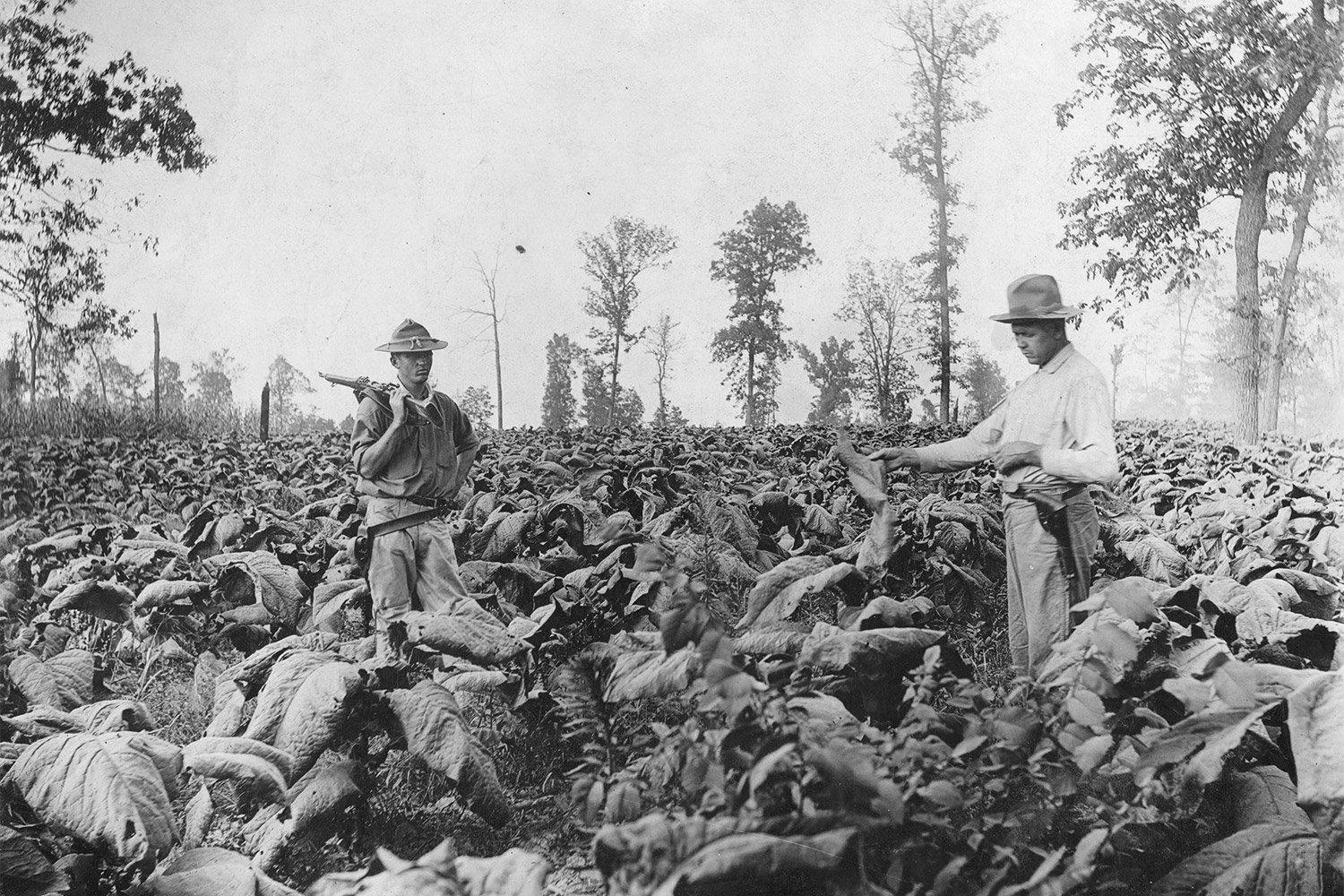
Hundreds of millions of cigars a year leave Manila for the United States. Then the war. The factories of Paco and Binondo burn in 1945, the cigarette takes what is left, and the Manila cigar slips out of the humidors of the world. The leaf keeps growing in Cagayan. Almost nobody outside the islands remembers why.

Tobacco field at harvest, archive photograph
Harvest in the valley · archive photograph · 1920s poster and the 1945 workshop to come
Chapter sixToday

The Return

The craft never left. The rollers of Laguna learned from their mothers, who learned from theirs. A new house, Basco y Vargas, brings the Manila cigar back: rolled by hand, aged eighteen months, in the tradition of the royal order of 1782.

Basco y Vargas seal
The seal · the film of the roller's hands and the box closing will follow
Sources

Murillo Velarde, Pedro. Carta hydrographica y chorographica de las Yslas Filipinas, Manila, 1734. Library of Congress, Geography and Map Division.

Álbum: Vistas de las Yslas Filipinas y trages de sus habitantes, 1847. Biblioteca Nacional de España.

Tobacco Asia, “The Philippine cigar: a history”, and Philstar archives on the Tabacalera and La Flor de la Isabela.

Archive photographs of the Manila cigar factories, late 19th and early 20th century, public domain collections.