A new house
for an old cigar
The name of a governor, the coin of a galleon, the seal of a royal order. And a manufactory in Laguna that never stopped rolling.
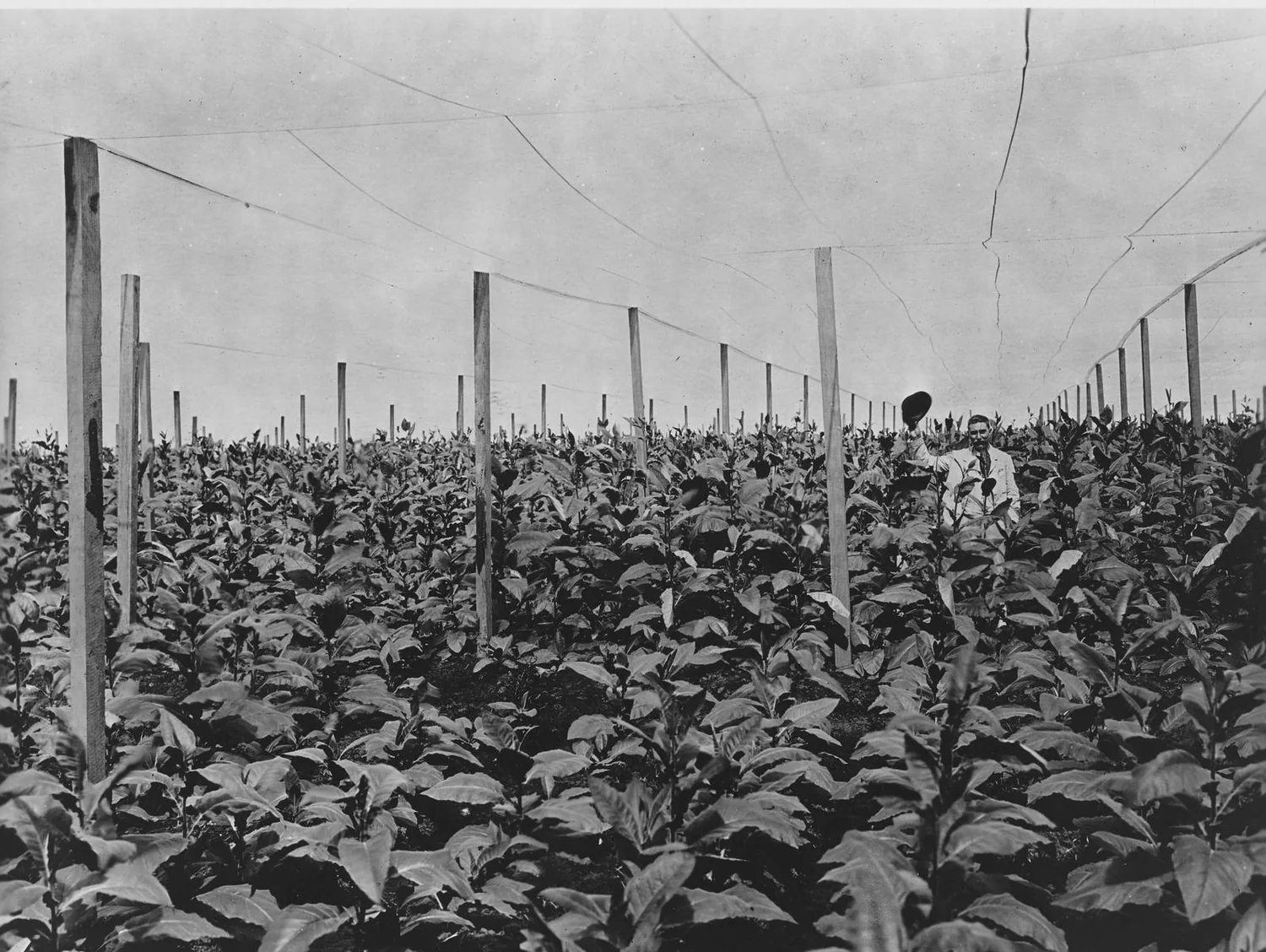
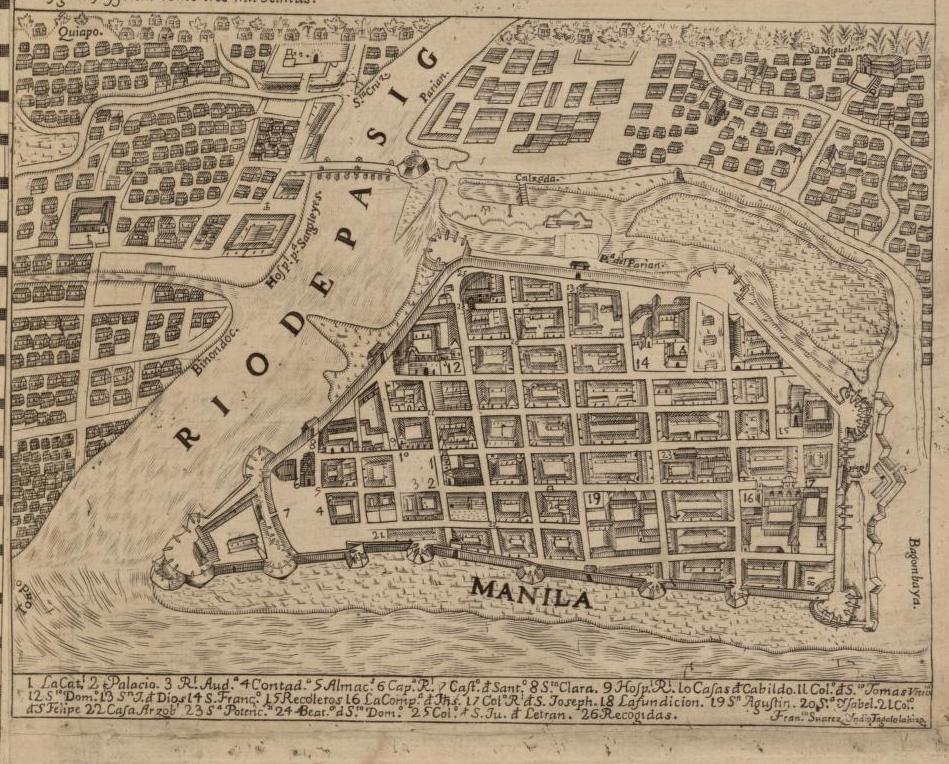
José Basco y Vargas
A naval officer sent to Manila as governor in 1778, at a moment when the colony cost Spain more than it earned. He founded the Economic Society of Friends of the Country, opened the province of Batanes, and in 1782 signed the order that made tobacco a royal monopoly. The Estanco paid for the islands for a century.
We took his name because the Manila cigar starts with his signature.
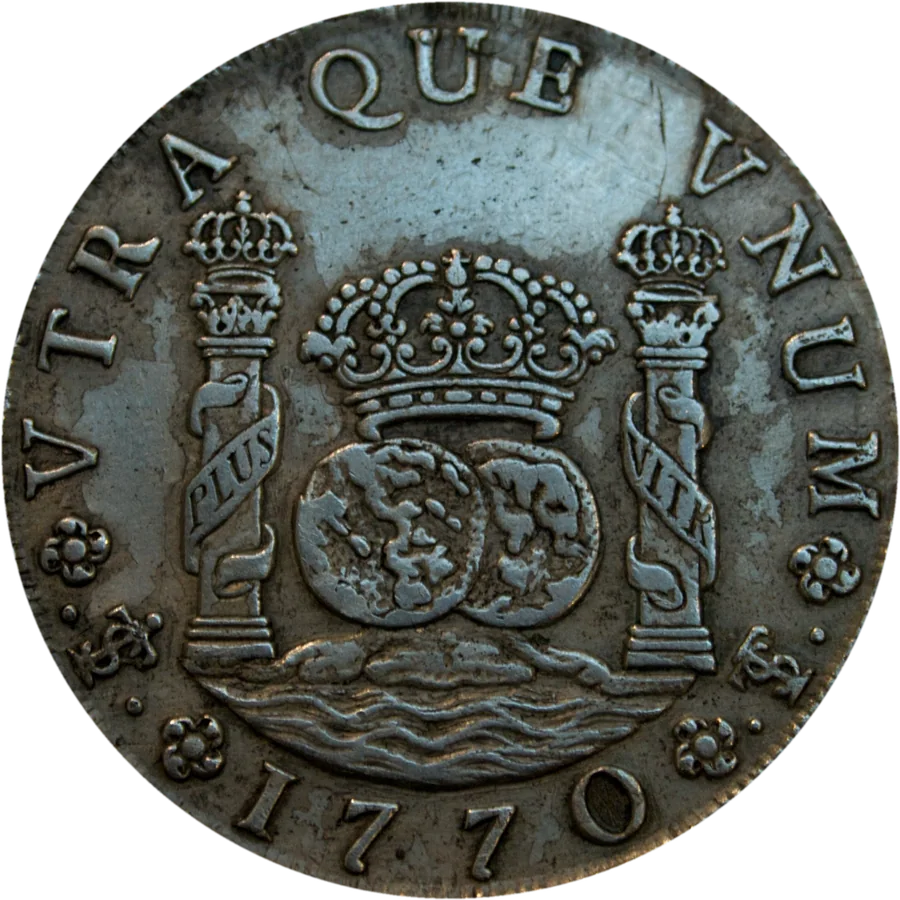
Why a coin?
Because the piece of eight paid for Manila, and the same galleon that carried the silver carried the seed.
The columnario: two crowned pillars, two worlds, the waves of the two oceans, and the motto Plus Ultra. It was struck in Mexico with silver from Potosí, sailed to Manila once a year, and became the first world currency, then the peso. Our seal borrows its pillars and its two worlds. It commemorates the order of 1782, nothing else.
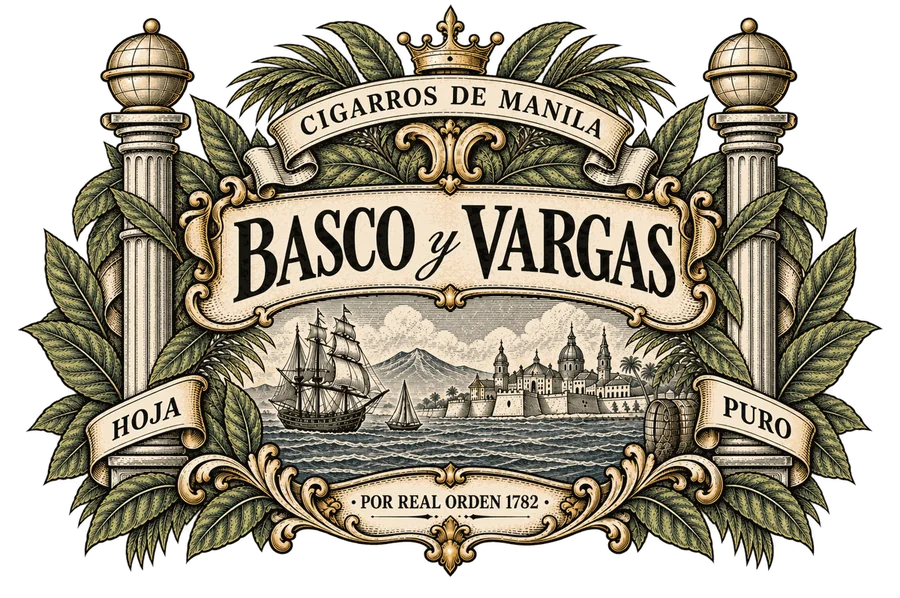
Read the seal
- 01Two crowned pillars, from the columnario. The two worlds the galleon joined.
- 02The galleon under sail, and Manila behind the walls of Intramuros.
- 03Tobacco leaves around the cartouche. Hoja, puro: leaf, cigar.
- 04Por Real Orden 1782: the royal order, the date of the Estanco. The commemoration, never a founding date.
Estanco de Manila · 1782
Rolled for us in Laguna
Rolled for us by a family manufactory in Laguna, founded 1993. Cuban method, entirely by hand: the bunch is built leaf by leaf, rested in its mould, then dressed in its wrapper.
See the craft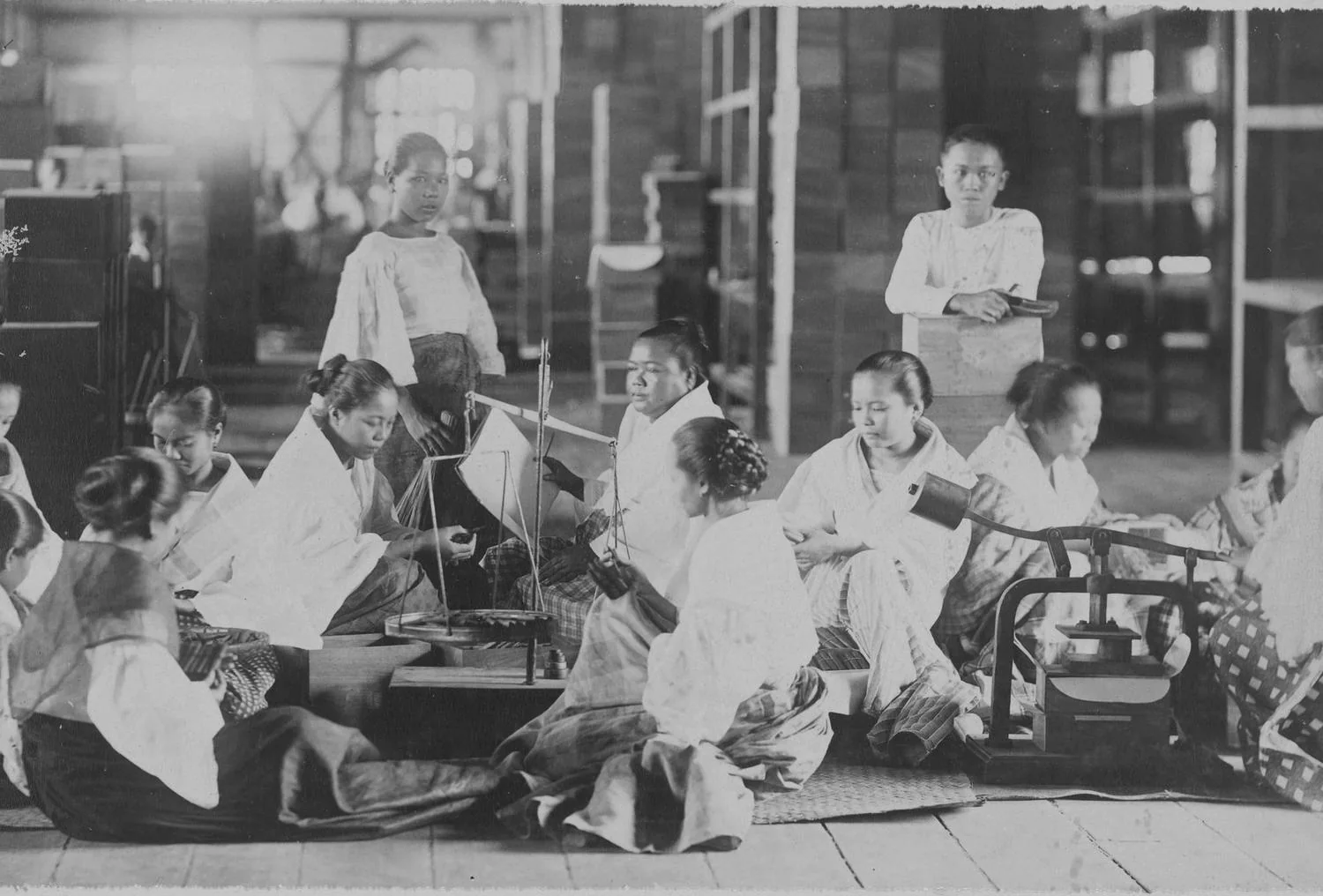 Archive · atelier photographs after the shoot
The Manila cigar was born by royal order in 1782. Basco y Vargas is a new house, founded to give it back its place.