Every Manila cigar gets compared to a Havana within a minute of being lit. Fair enough: Cuba set the standard. So here is the comparison done properly, leaf by leaf, without pretending the two are the same thing and without pretending one is a lesser version of the other.
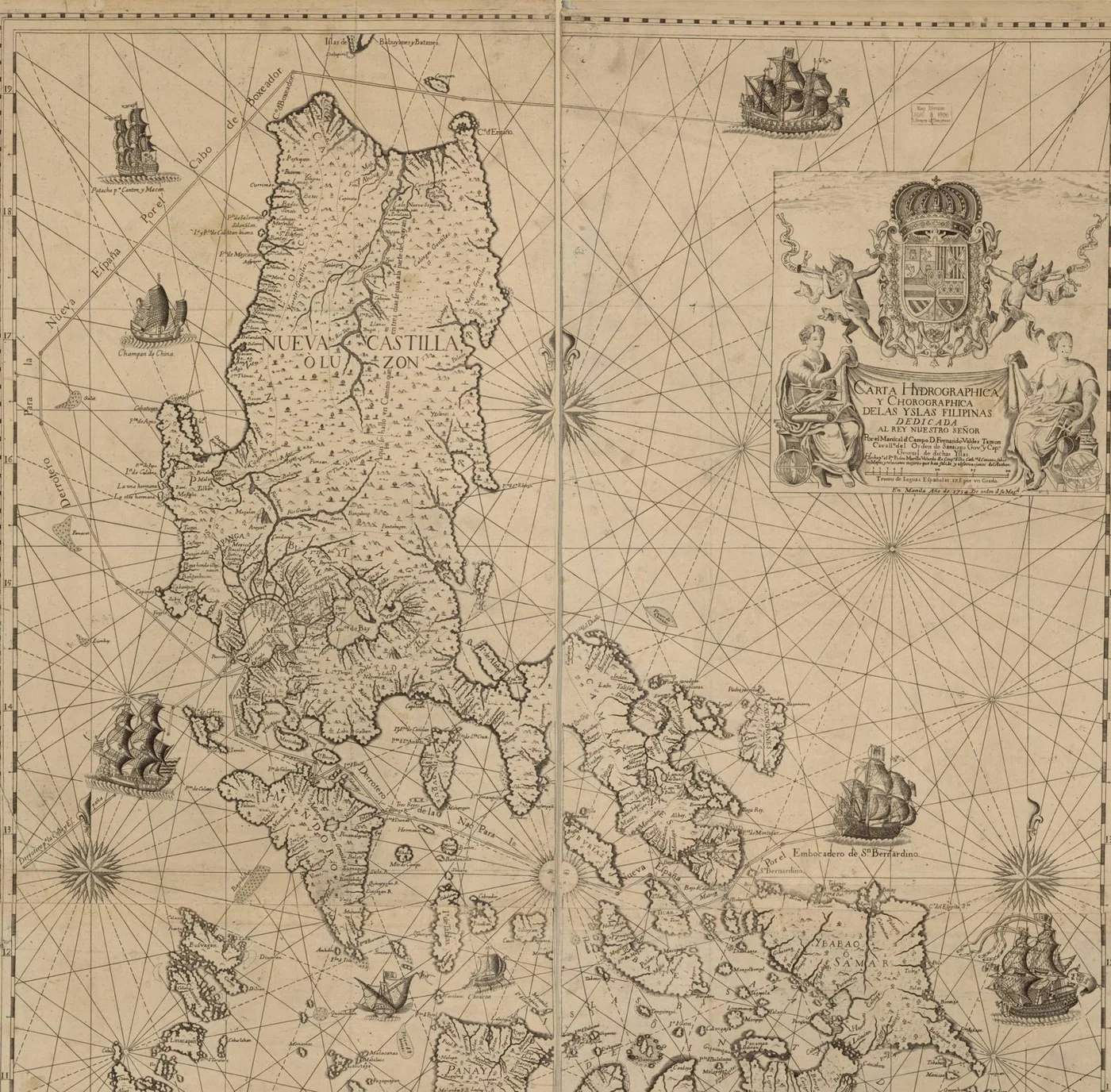
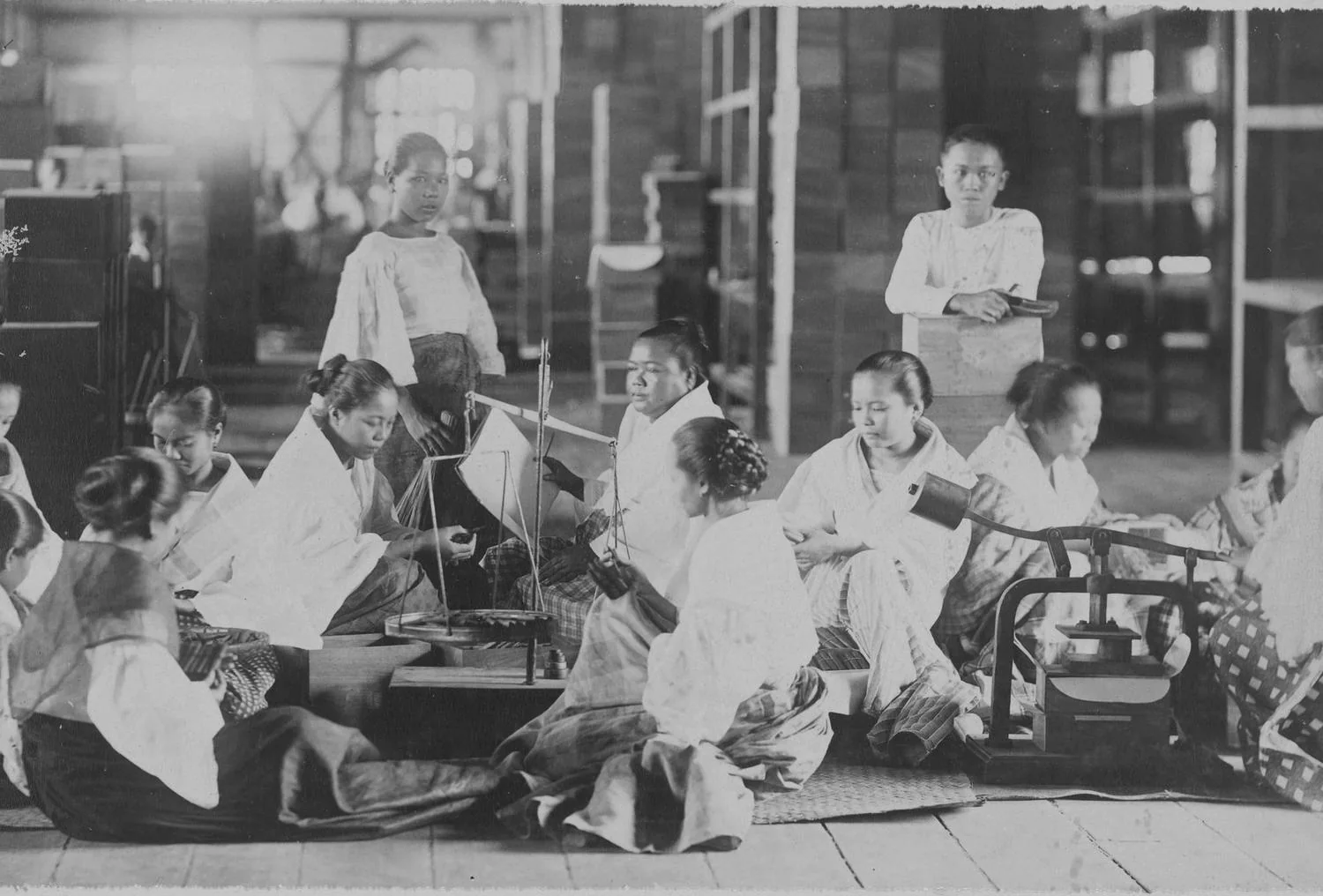
Start with what they share. The plant is the same species, and much of the tobacco grown in the Philippines descends from seed that came from the Americas on the galleon, and later from Cuba itself, in the years when the Spanish administration moved seed and know-how between its colonies. The method is the same too, when it is done right: a bunch, a binder, a mould, a wrapper, a cap, all by hand. Everything else is different, because the ground is.
Soil and weather
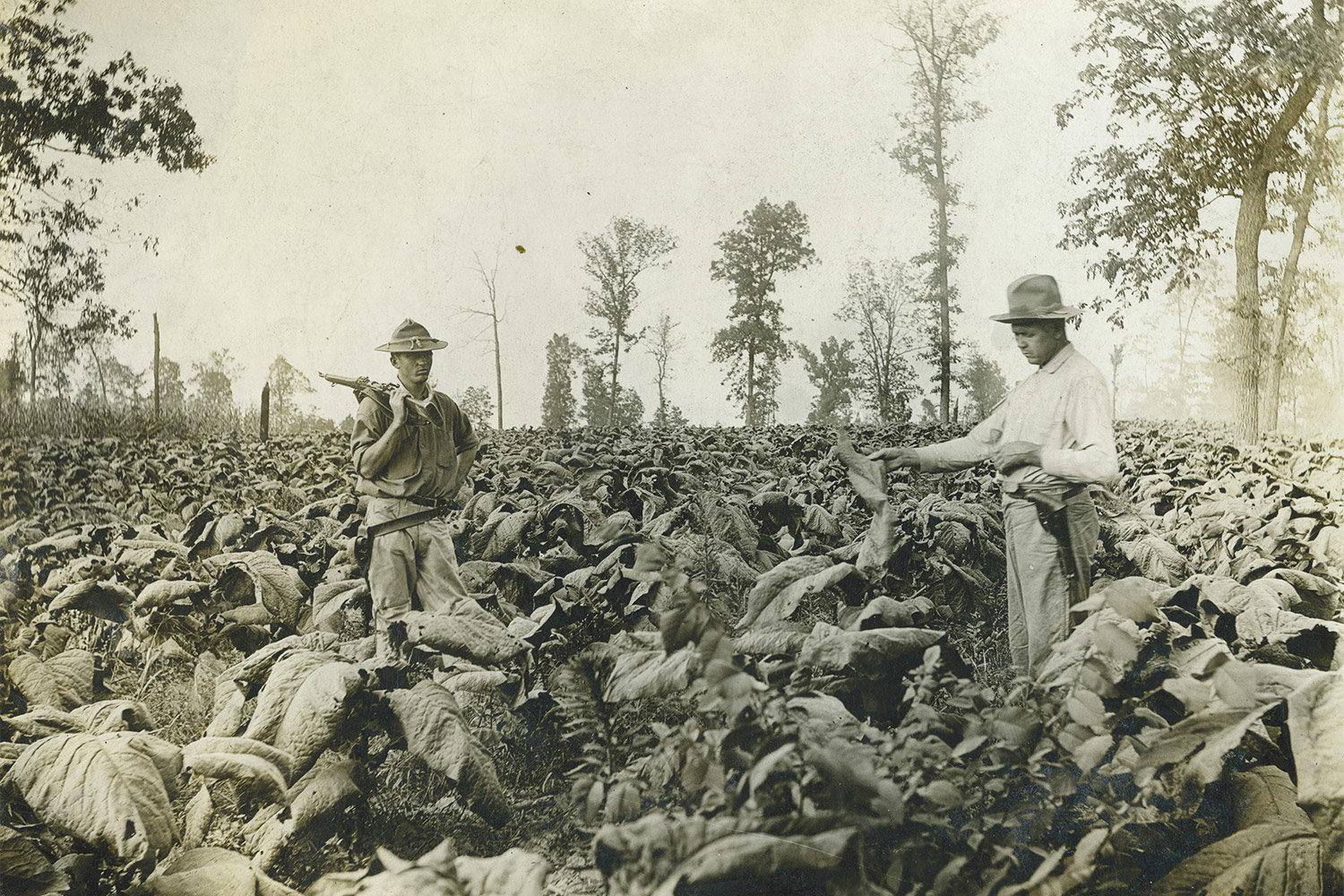
The Vuelta Abajo, in the west of Cuba, is red-brown soil over limestone, with a dry season that is genuinely dry. The Cagayan Valley is river soil, alluvium laid down by floods, richer in organic matter and heavier. The Philippine growing season is shorter and wetter at the start, drier at the end, and the sun in February is fierce. The result in the leaf is consistent across the two origins and has been described the same way for a century: the Cuban leaf is more concentrated, with more of the compounds that read as spice and pepper on the palate; the Philippine leaf is lighter in body and carries more sugar, which is why the old catalogues called Manilas sweet.
Curing and fermentation
This is where the gap can open, or close. In Cuba the curing barns and the fermentation piles are run with a discipline built over two centuries and policed by an industry that depends on it. In the Philippines the discipline existed, under the Tabacalera, and then thinned out with the industry. A leaf cured too fast keeps its greenness; a leaf fermented too little keeps its ammonia; and a cigar made from either tastes flat and harsh at the same time. Much of what people remember as the weakness of the Manila cigar was not the leaf. It was the forty days that were cut to twenty. We take the forty, and sometimes sixty, and we tell the story of the barn on film.
“Cuban leaf argues with you. Isabela leaf agrees with you, then changes the subject in the last third.”A lounge manager in Dubai · first tasting
Strength, and what people mean by it
A Havana of medium strength will read as fuller than a Manila of medium strength, and there is no point denying it. What the Manila offers instead is length and balance: a cigar you can smoke at eleven in the morning or with a light lunch, that does not flatten your palate for the rest of the day, and that builds toward cocoa and roasted nuts rather than toward pepper. Our Robusto Maduro, with its dark Habano wrapper, is the closest we come to the Cuban register. The Corona is the purest statement of the valley.
Which one, then
Both, on different days. The Cuban when you want to be argued with. The Manila when you want a cigar to keep you company without taking over. The lounges that carry us in Dubai keep both in the humidor, side by side, which is the only honest way to settle the question: light one of each, an hour apart, and decide for yourself.