Nine hours north of Manila, past the last rice terraces, the road drops into the Cagayan Valley, where the tobacco of the Philippine cigar has grown since the galleon. We went to ask a simple question: what makes a leaf good?
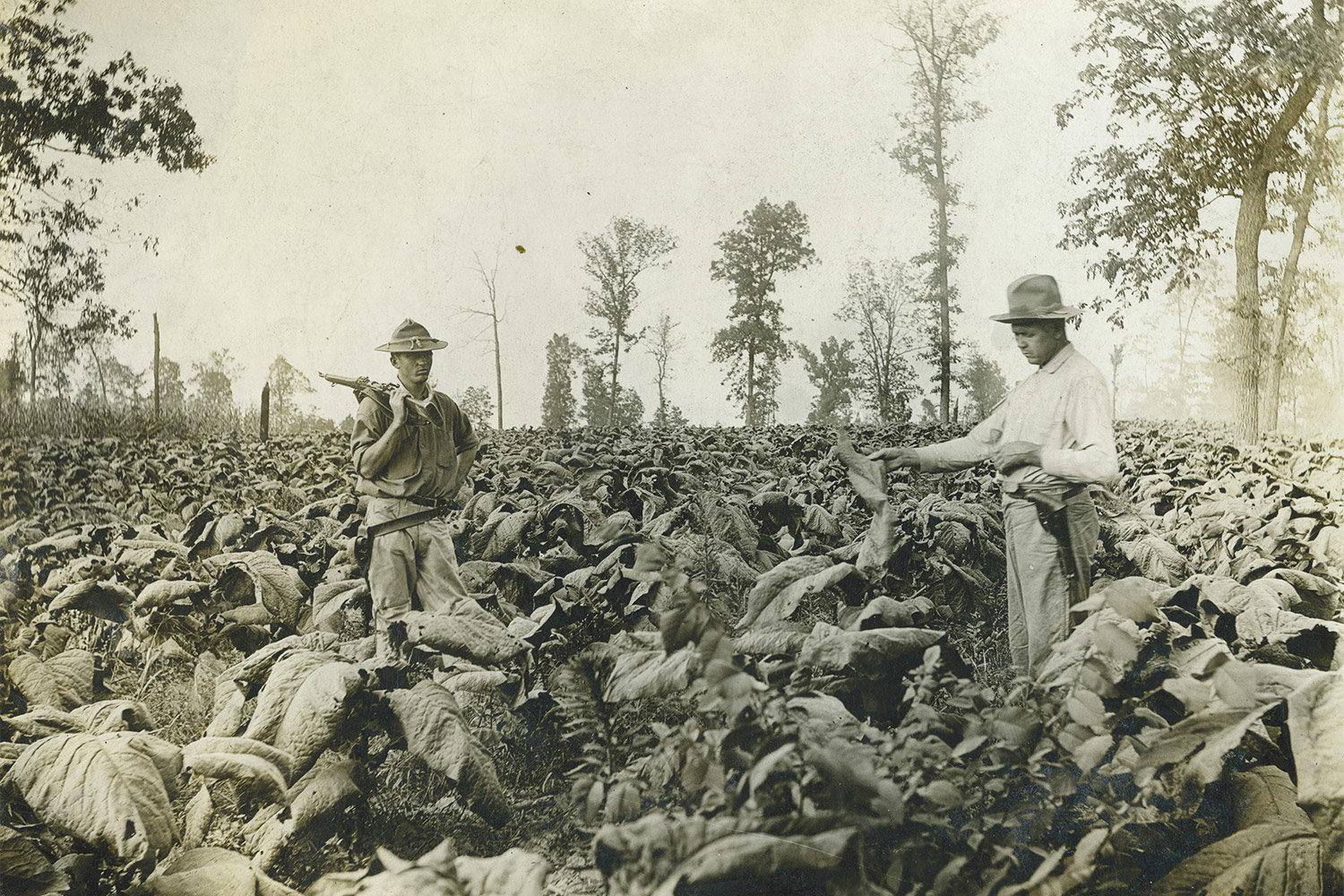
The bus leaves Cubao at ten at night and reaches Ilagan a little after dawn. You know you have arrived because the air changes. It is drier, it smells faintly of hay, and the fields on either side of the road are not rice but rows of broad, pale green leaves that catch the first light like sails.
Ernesto meets us at the edge of his field with a cup of coffee that he does not offer so much as hand over. He has farmed this land for thirty-one harvests. His father did before him, and his grandfather sold leaf to the Tabacalera when the company still ran the valley from an office in Manila that has since become a bank.
The back of the leaf
“You look at the back,” he says, turning a leaf over. “Fine veins. And it should fold without cracking.” He folds it. It does not crack. He hands it to me and I fold it, badly, and it does not crack either, which he seems to find funny.
Isabela and Cagayan grow the two leaves that make up the filler of every Basco y Vargas cigar. The wrapper comes from Ecuador for now, because the valley does not yet grow a wrapper leaf we are proud of, and we would rather say so than pretend. Ernesto has opinions about that. He thinks it will take five years. His neighbour thinks three.