Our name comes from a governor, and our first date from a decree he signed. People ask what the tobacco monopoly of 1782 actually was, beyond the year on the band. This is the short version, with the sources at the end.
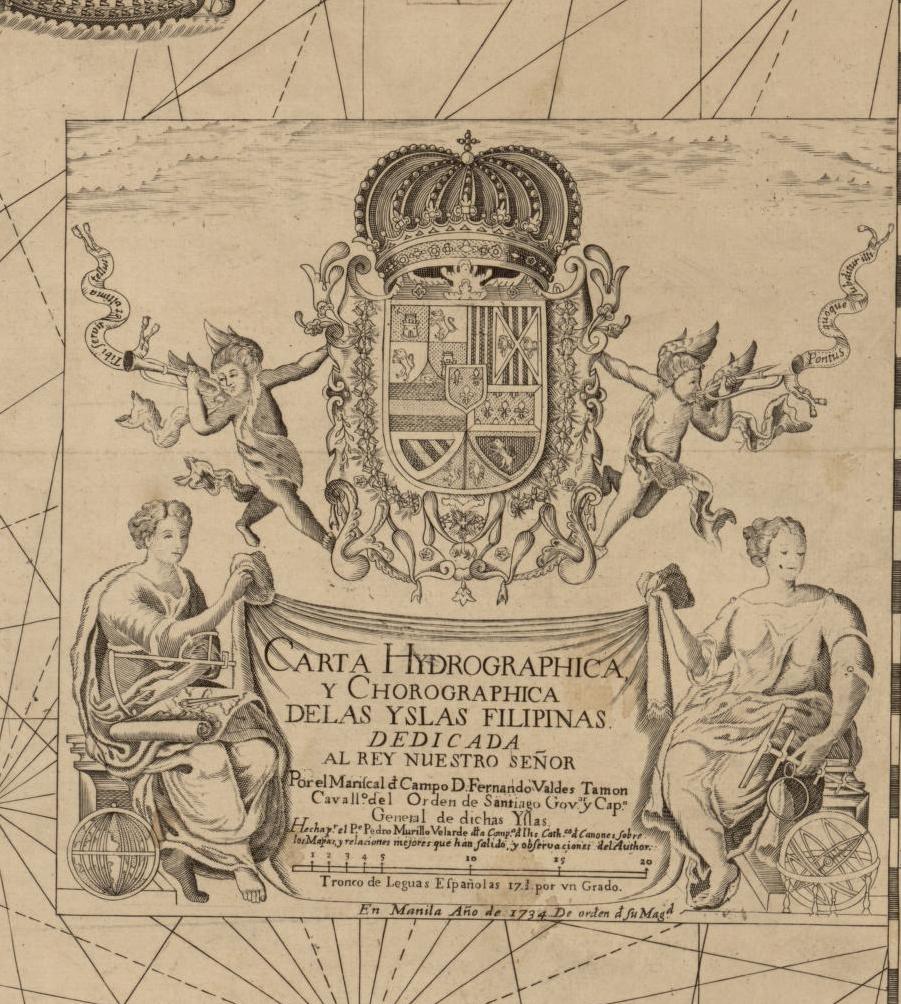
In 1778 the Crown sent a naval officer named José Basco y Vargas to govern the Philippines, a colony that had lost money for two centuries and was kept afloat by an annual subsidy of silver from Mexico. Basco's brief was to make the islands pay. He founded an economic society, encouraged indigo, sugar and silk, and in 1781 and 1782 he put in place the measure that would define the colony for the next hundred years: the estanco, a state monopoly on tobacco.
What a monopoly meant
Only the state could buy leaf, make cigars and sell them. Growing was confined to chosen districts, first Gapan in the centre of Luzon, then the Cagayan Valley and Ilocos, and growers had to sell their whole crop to the administration at the administration's price. Everywhere else, planting a single tobacco seed was a crime, and inspectors searched fields and houses for it. The leaf went to state factories in Manila, where it was rolled into cigars and cigarettes and sold back to the population through licensed shops. The margin between what the grower was paid and what the smoker paid was the point. Within a few decades it was the largest single source of revenue the colony had.
The factories and the cigarreras
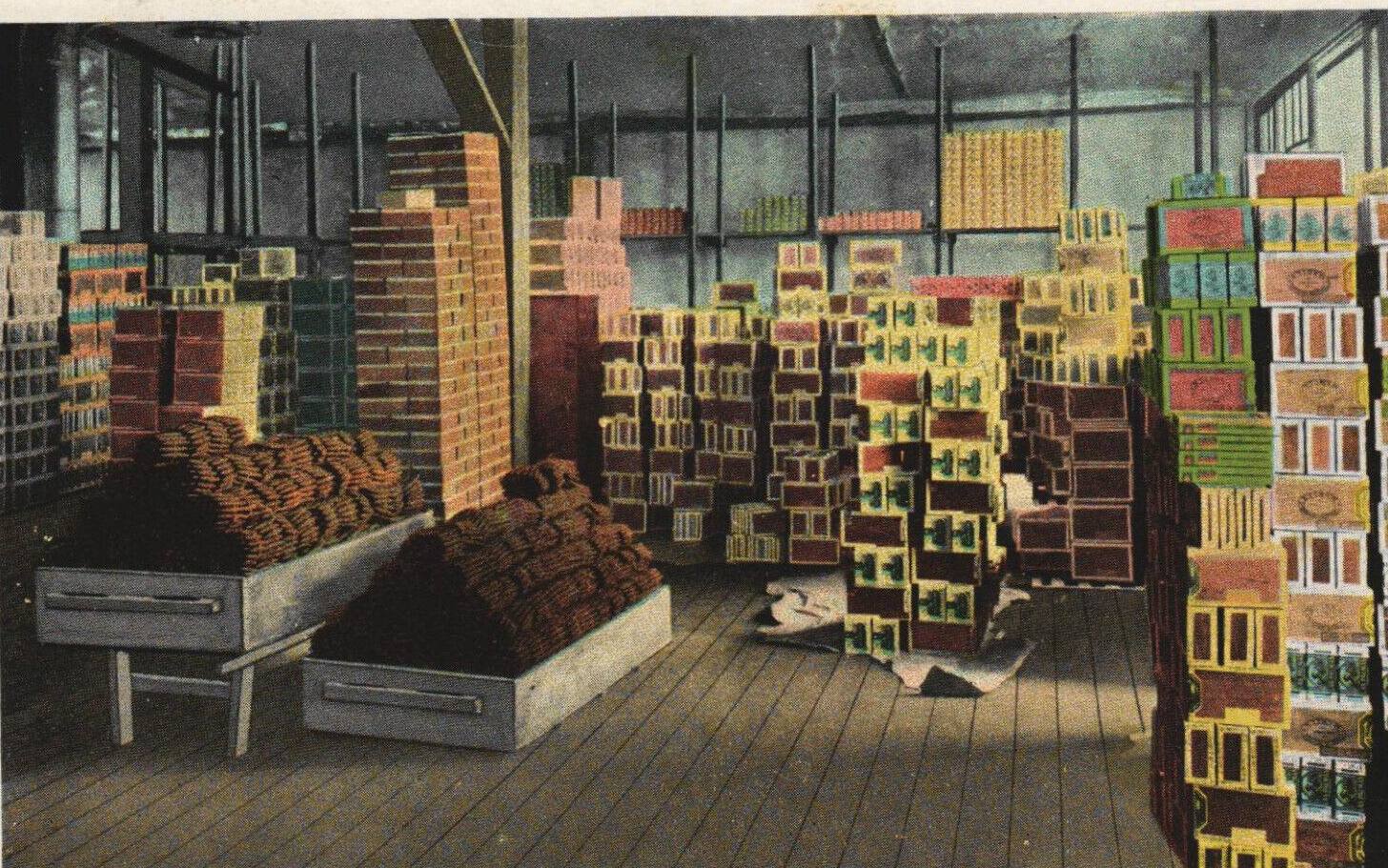
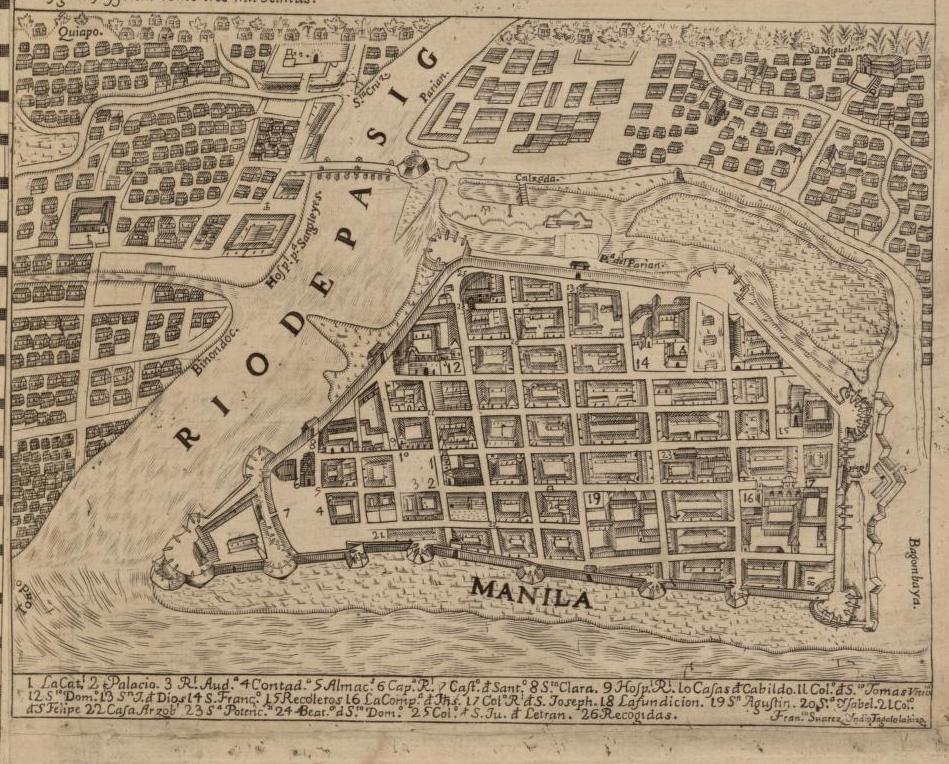
The first factory was in Binondo, across the Pasig from the walled city. Others followed, at Arroceros, at Malabon, at Cavite. Their workforce was overwhelmingly women, the cigarreras, tens of thousands of them by the middle of the nineteenth century, sitting at long tables in halls that visitors described as the largest rooms they had ever entered. They were paid by the piece, they organised, and they went on strike more than once. The Manila cigar that was smoked in London and Vienna in those years was their work. We keep their photograph on the Story page for that reason.
“The tobacco monopoly is the treasury of these islands.”A governor's report to Madrid, nineteenth century · paraphrased
How it ended
By the 1870s the system was failing under its own weight. The administration could not pay the growers on time, the growers hid their leaf, contraband ran on every river, and the quality of the state cigars fell. Reformers in Madrid argued that a free trade would earn more in taxes than the monopoly earned in profit. In 1881 the Crown agreed, and the estanco was wound down; within two years the factories, the plantations and the trade had passed to a private company from Barcelona, the Tabacalera, whose story is here.
What it left
Two things that still matter to a cigar rolled today. A valley that has grown tobacco without interruption since the eighteenth century, because the monopoly made it grow nothing else. And a method, the Cuban method of the Manila factories, kept alive by the cigarreras and their successors long after the export trade forgot them. We took the governor's name because the Manila cigar starts with his signature. We claim nothing else from him, and the house is new, which we say on the House page.
Sources: the general histories of the Philippine tobacco monopoly (Ed. C. de Jesús, The Tobacco Monopoly in the Philippines, 1980), the Tabacalera company histories, and the archives cited on the Story page. Dates as commonly given; the decree and its implementation span 1780 to 1782.