For fifty years the most famous cigar in Asia was not Cuban. It was rolled on the Pasig, named after a province in the north of Luzon, and sold by a company from Barcelona. Here is how that happened, and how it ended.
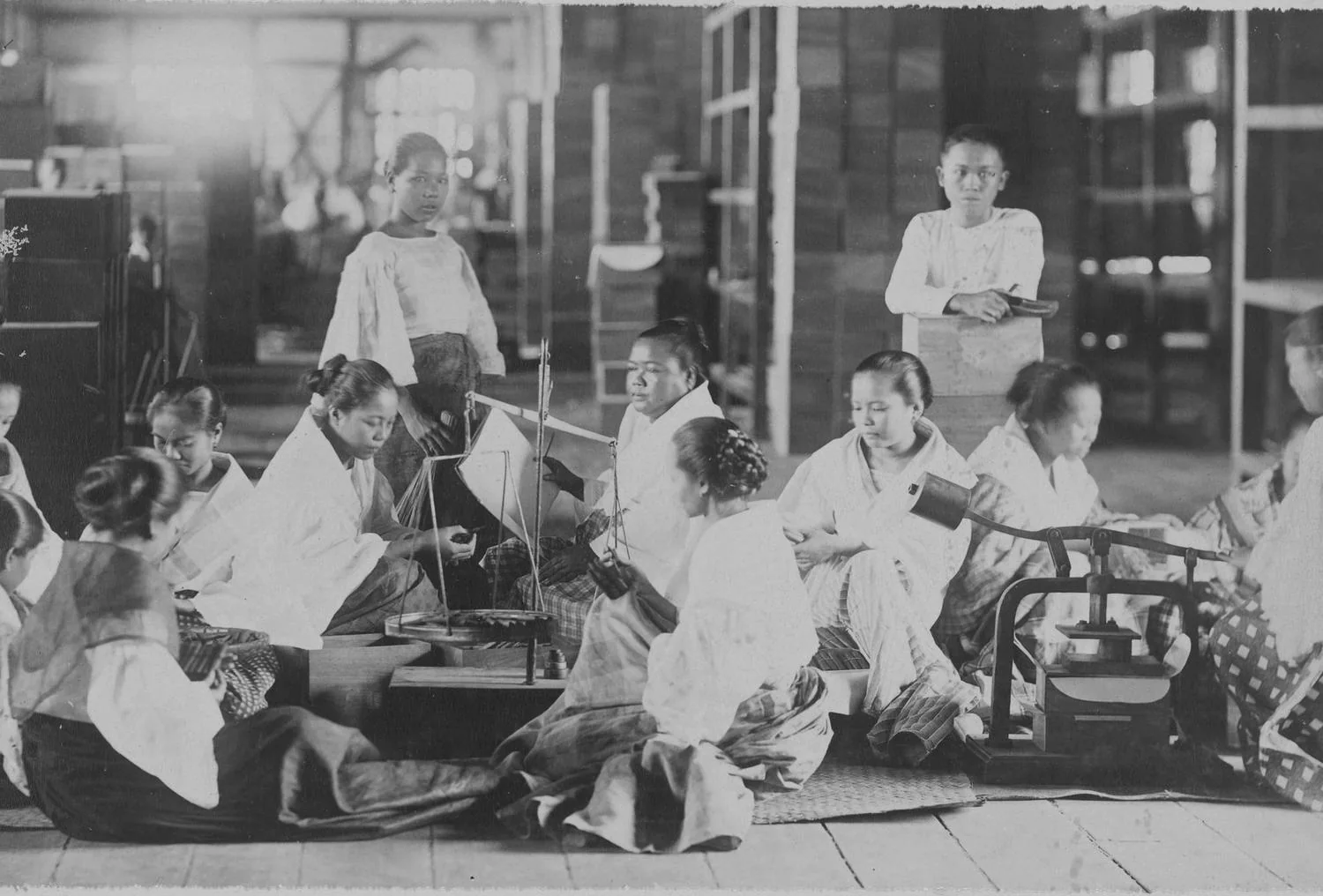
The royal monopoly on tobacco lasted a century. It made the colony solvent and the cigarreras of Manila the largest workforce in the islands, and by the 1870s it was falling apart under its own weight: too much leaf, too little control, contraband on every river. In 1881 the Crown gave it up. The next year, a group of investors in Barcelona led by Antonio López y López, a shipowner who had made his money on the Cuba run, founded the Compañía General de Tabacos de Filipinas to buy what the state was selling. Plantations in Cagayan and Isabela, factories in Manila, the trade itself.
They named their best cigar after the province where the best leaf grew. La Flor de la Isabela. The flower of Isabela.
From the Pasig to Pall Mall
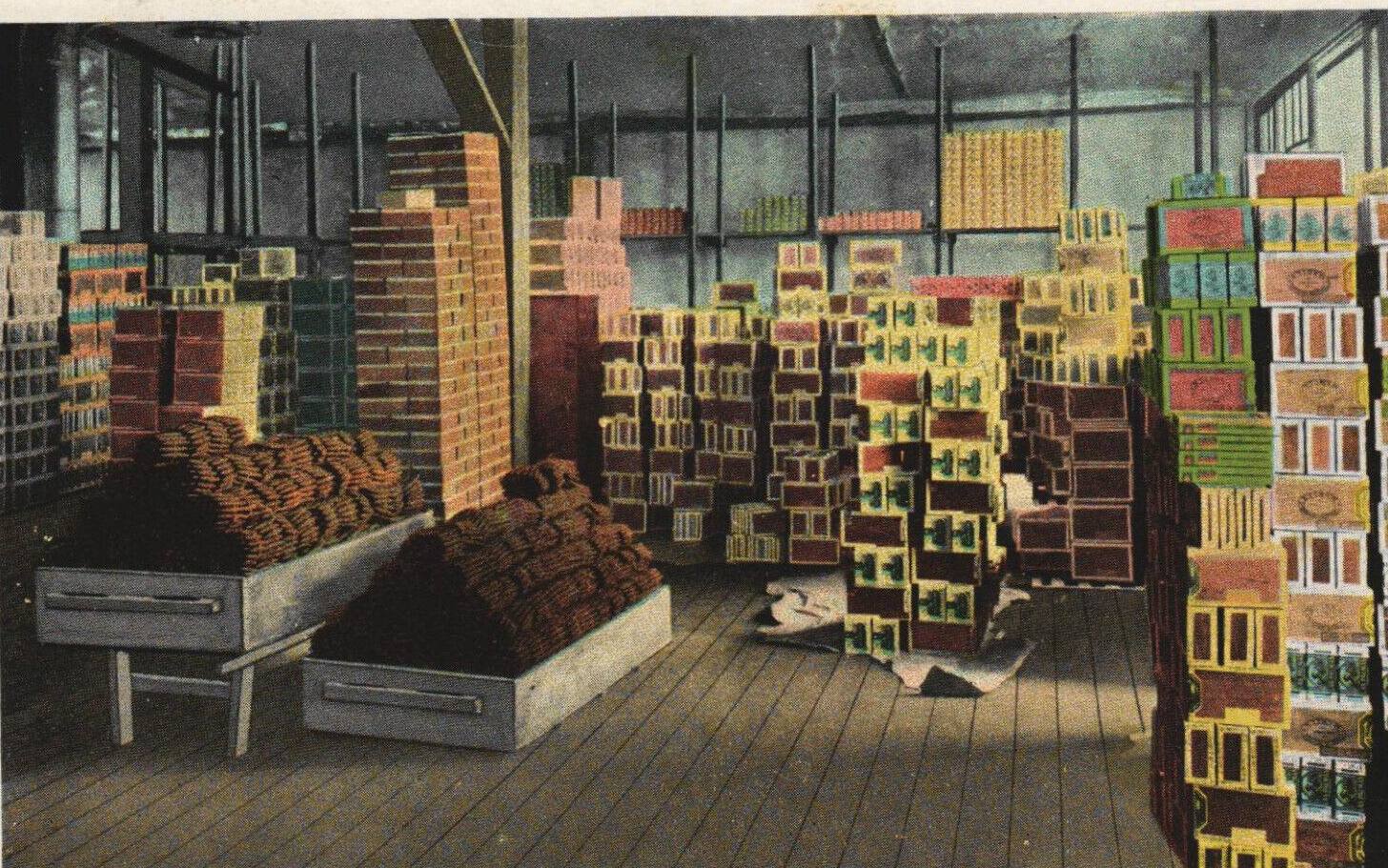
The company did two things the monopoly never had. It sorted the leaf properly, by province and by year, and it advertised. Within a decade Manila cigars from the Tabacalera were on the shelves of tobacconists in London, Hamburg and Amsterdam, in the smoking rooms of the ships crossing the Indian Ocean, and in the clubs. A Manila was cheaper than a Havana, milder, and rolled to a standard that did not vary from one box to the next. It became the everyday cigar of a large part of the world. By the 1920s the islands were shipping hundreds of millions of cigars a year, most of them to the United States.
Then the century happened
The war took the factories. Manila was one of the most damaged cities of 1945 and the districts along the river where the tobacco trade lived were levelled. The company rebuilt, smaller. Then the cigarette took the everyday smoker everywhere, and the Manila cigar, which had always been the everyday cigar, lost the ground it stood on. By the 1990s it was a name that older smokers remembered and younger ones had never heard.
The leaf kept growing in the valley all that time. The rollers kept rolling, for a smaller trade. That is the part of the story that made us start a house: the silence after the glory, and the fact that the hands were still there.
What we owe it
The name La Flor de la Isabela is still rolled in Manila, by others, and we smoke it with respect. We are not trying to revive it. We took a different name, from an older date, and we buy our leaf from the same two provinces the company chose in 1881 for the same reason: it is where the good leaf is. If a cigar from the Philippines makes it back onto the menus of the world, part of the credit will belong to the people who put it there the first time.
The longer history, from the royal order to today, is on the Story page.