Inside the lid of our gift box there is a village in Cagayan, painted in 1847. This is where it comes from, and why we chose it over everything else.
The album is kept in Madrid, at the Biblioteca Nacional de España. Its title runs to a full line: Vistas de las Yslas Filipinas y Trages de sus Abitantes, views of the Philippine islands and the dress of their inhabitants. A few dozen watercolours, numbered, each with a caption in the careful capitals of a clerk. They were painted in Manila around 1847, most likely in the workshop of José Honorato Lozano, a Manila painter who made his living selling this kind of album to officers and merchants on their way home. Souvenirs, in other words. Very good ones.
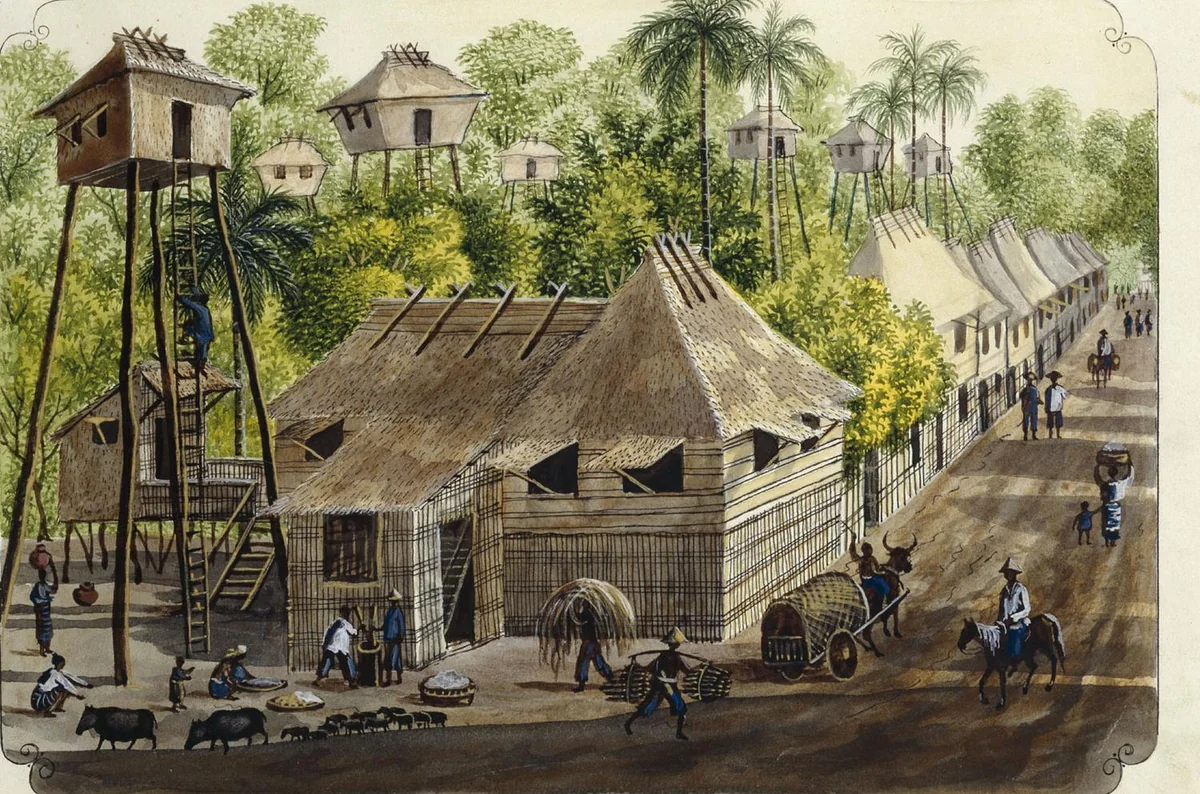
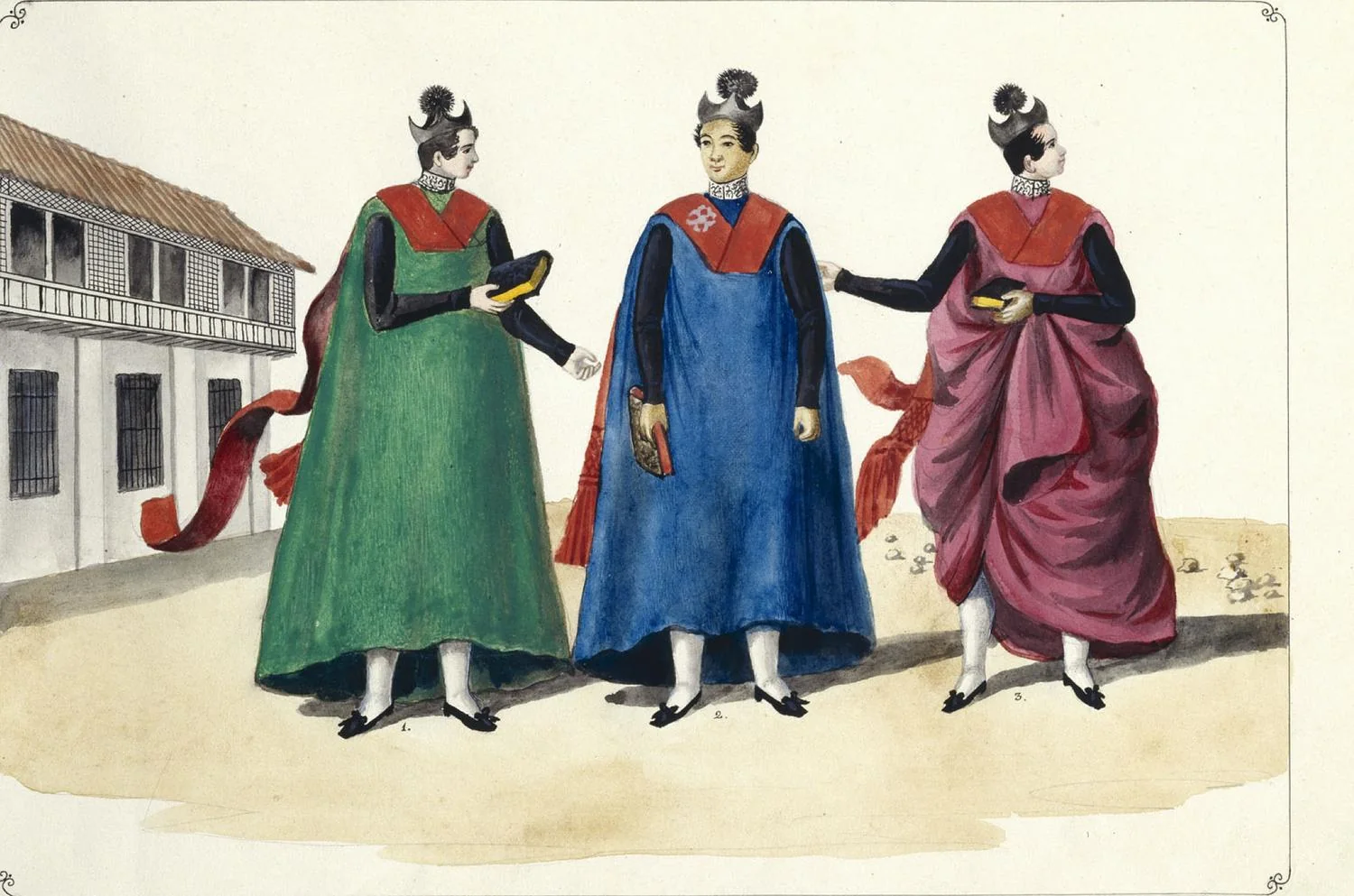
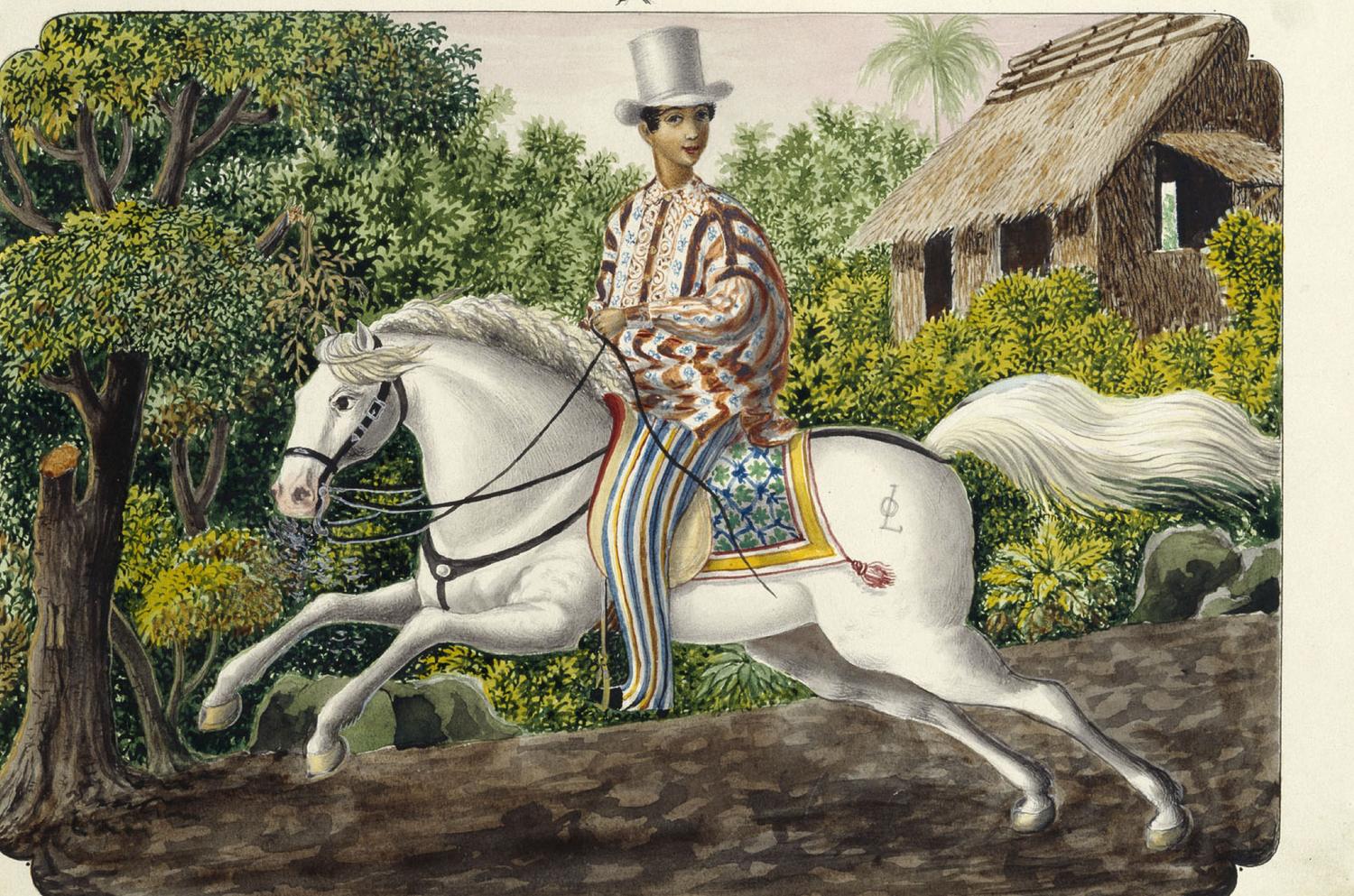
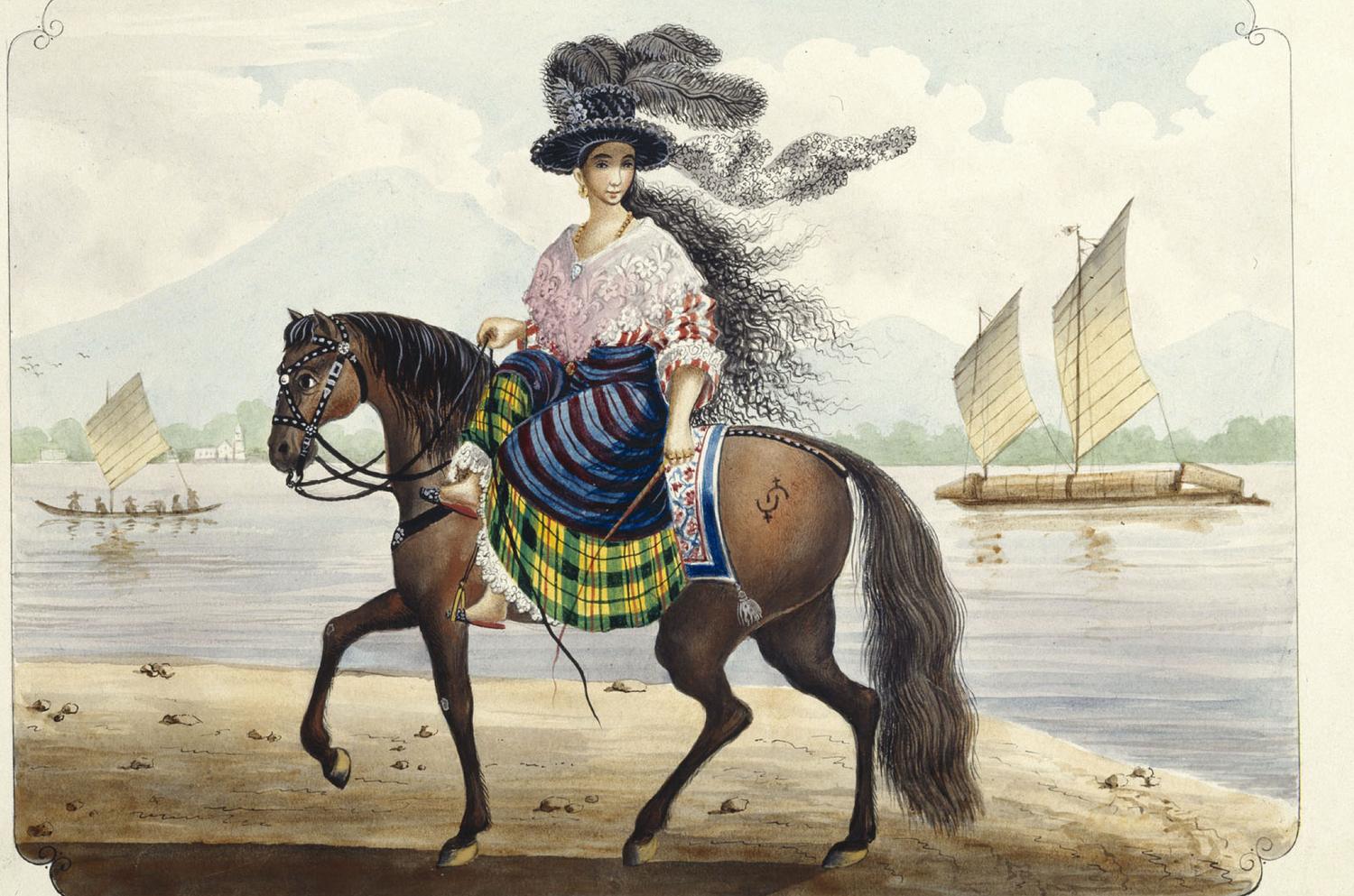
Plate nineteen
Plate 19 shows a house in a village of Cagayan. A granary on tall legs to the left, with a ladder and a man halfway up it. A big thatched house in the middle, its walls of woven bamboo. A cart pulled by two carabaos, a horseman, a row of houses running off into the palms. In the foreground, a family and their pigs. It is the only plate in the album that shows the north of Luzon, and the north of Luzon is where our leaf grows. That settled it.
We had the plate reproduced at the size of the lid, and printed on the paper the box maker in Paete uses for his own labels. It is a small thing. It is also the first thing you see when you open the box, before the cigars, and we wanted that first thing to be the valley.
Why an old drawing and not a photograph
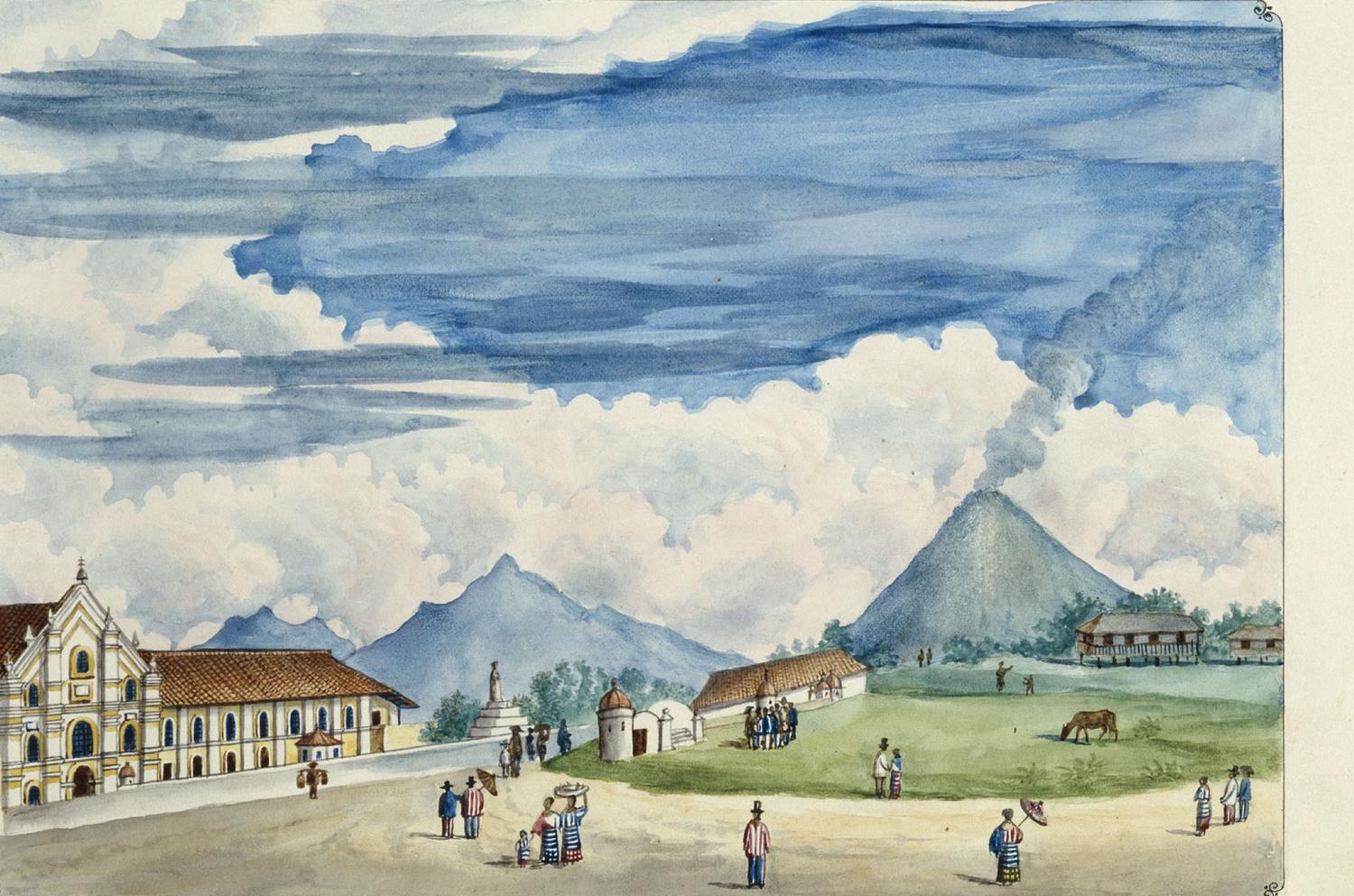
Because in 1847 the Manila cigar was already sixty-five years old and selling from Canton to Cádiz, and the album knows it. Look at plate 24, the students of Manila in their gowns. Look at the horsemen. Half the people in these pages would have had a cigar in their pocket. The album is a picture of the islands at the height of the trade, painted by someone who lived in it. A photograph of the same valley today would show the same house, more or less, and none of that.
The plates are out of copyright and the library makes them available to anyone. We credit them wherever they appear, on the box and on this site. If you go to Madrid, ask for the album by its full name. They will bring it to you in a box, and you can turn the pages yourself.